


The food on our menu has a history. Behind it are generations of people — mostly women — who grew it, preserved it, cooked it, and wrote it down. This Women’s History Month, we’re telling their stories.
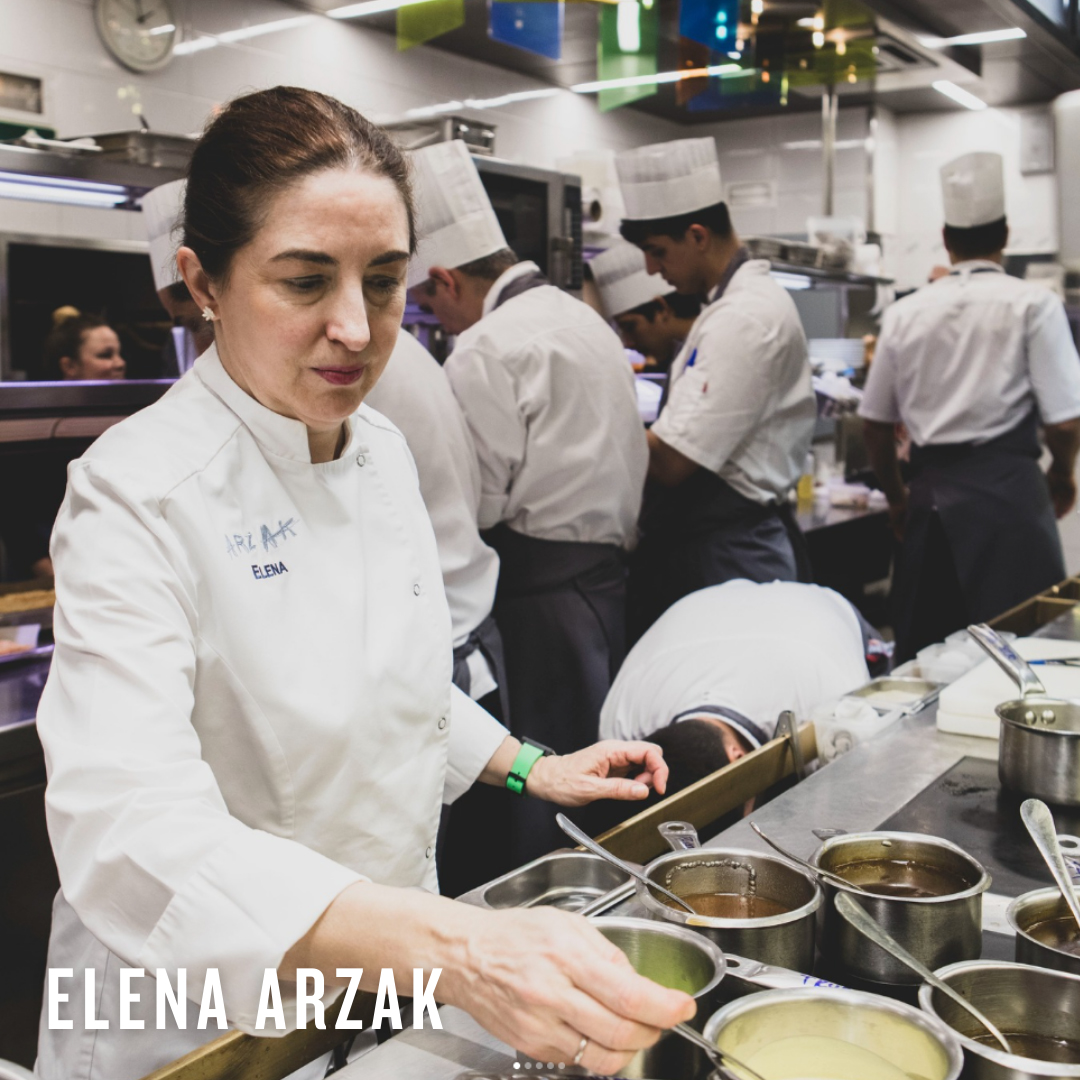
Basque Country
Elena Arzak
Named the world’s best female chef more times than anyone has bothered to count, Elena could have coasted on a legacy. She didn’t. She runs the kitchen at three-Michelin-star Arzak — the restaurant her grandfather opened in 1897 — alongside her father Juan Mari, and she pushes it forward every year. Basque cuisine is one of the most celebrated in the world. Elena is a large part of why it stays that way.
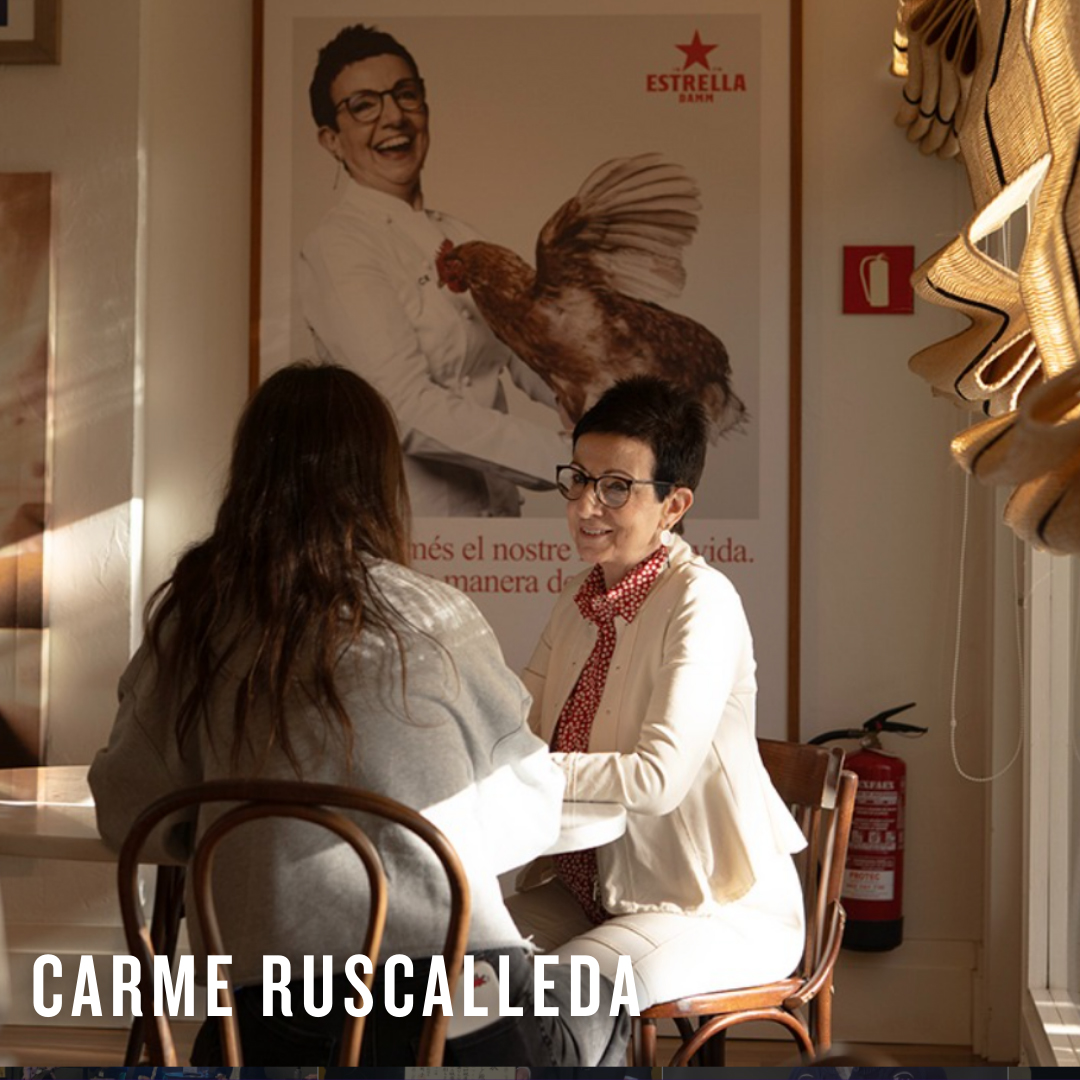
Catalonia
Carme Ruscalleda
She started with a small deli in Sant Pol de Mar. She ended up as the most Michelin-starred female chef in the world. Carme never left Catalonia to build her reputation — she built it from inside it, cooking food that was rooted so specifically in where she was from that the world had no choice but to come to her.
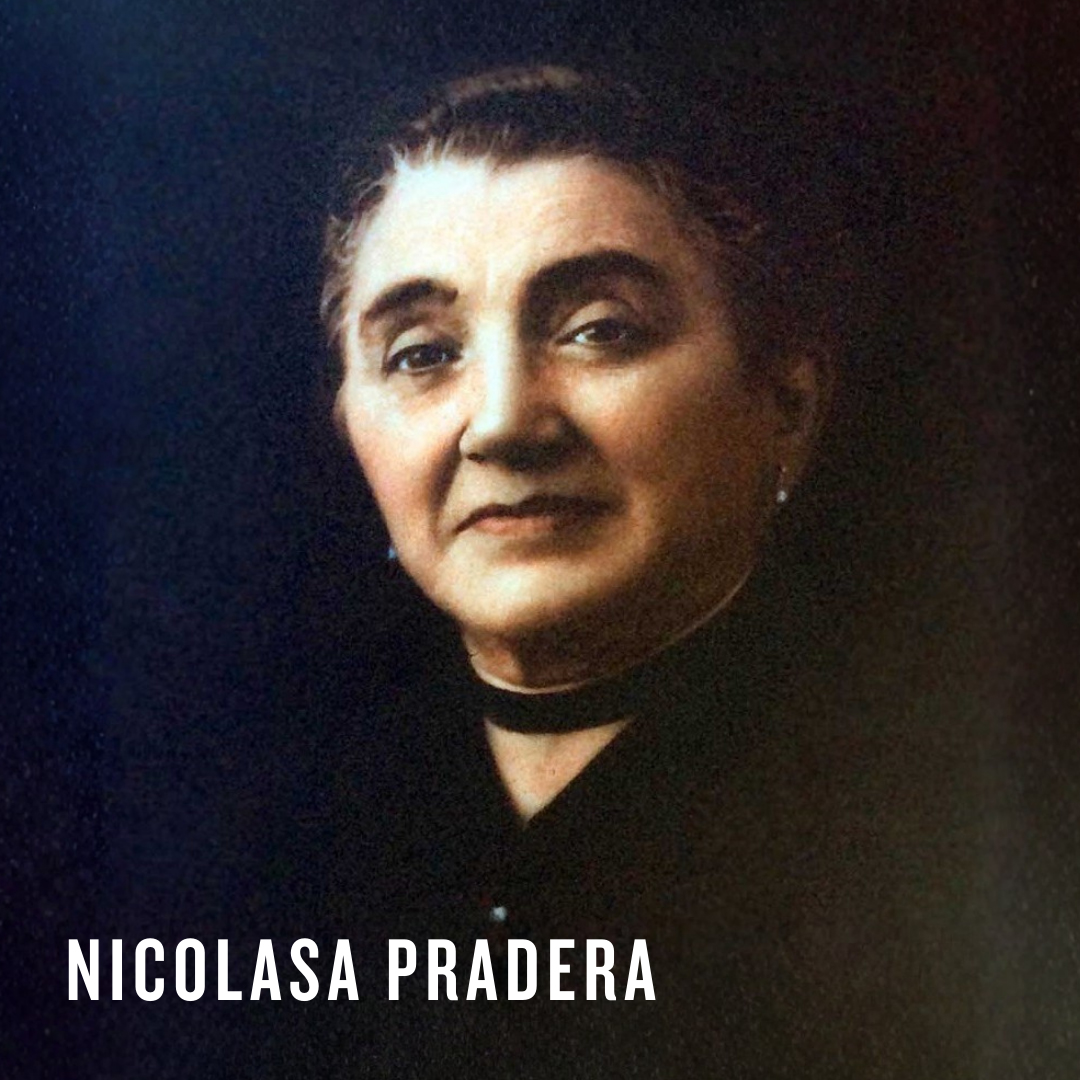
Basque Country, 1870–1959
Nicolasa Pradera
In 1912 she opened Casa Nicolasa in San Sebastián. In 1933 she wrote La Cocina de Nicolasa — the cookbook that Juan Mari Arzak calls one of the greatest books in the history of Spanish food. She documented Basque cuisine at a moment when it could easily have been lost, and handed it to the future intact. Every celebrated Basque chef working today is, in some sense, cooking from her notes.
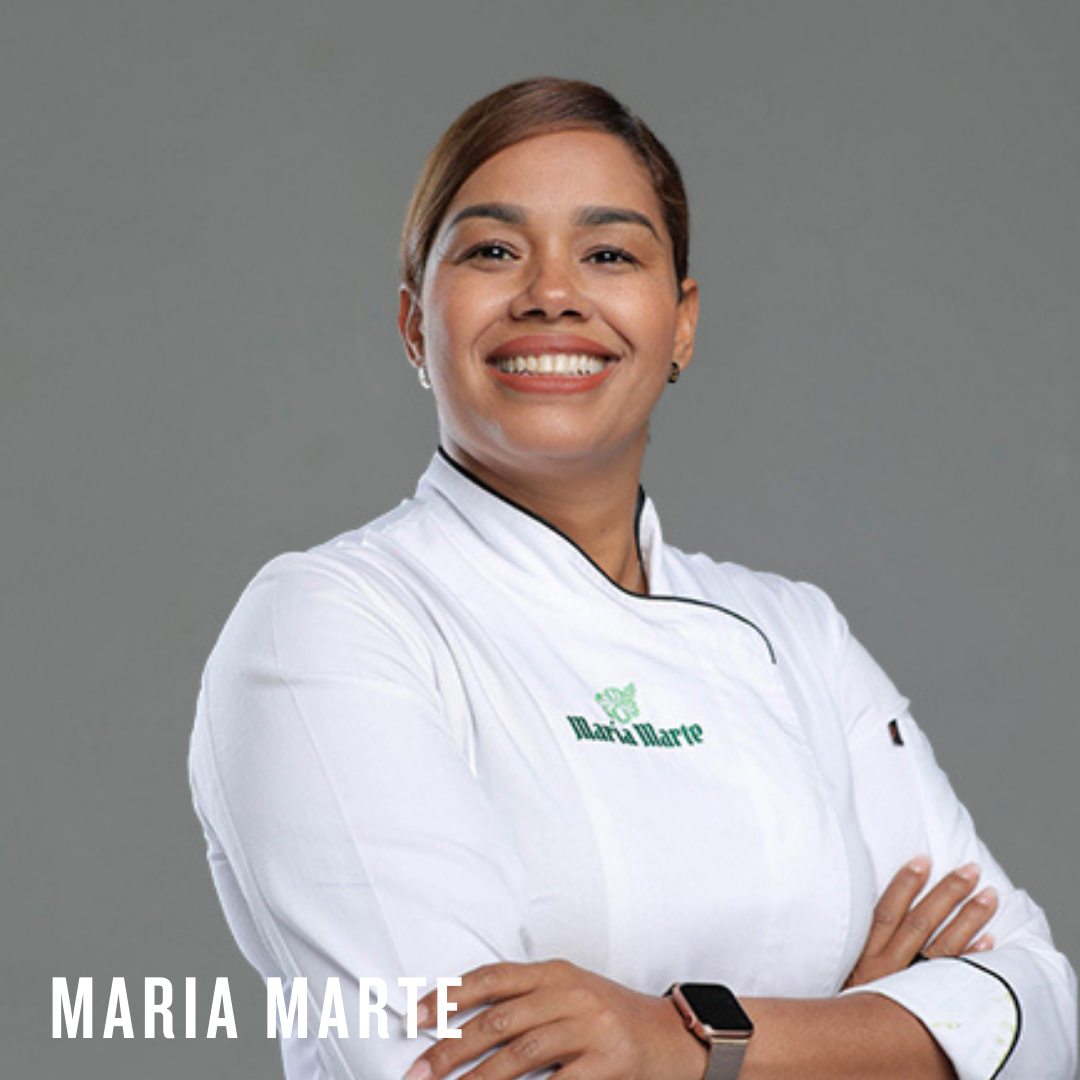
Madrid
María Marte
Born in the Dominican Republic, María arrived in Spain and found work as a dishwasher. She worked her way through every station in the kitchen at Club Allard and eventually ran it — earning two Michelin stars in the process. Her story is one of the most extraordinary in Spanish culinary history, and it belongs in the same sentence as anyone else’s.
Galicia
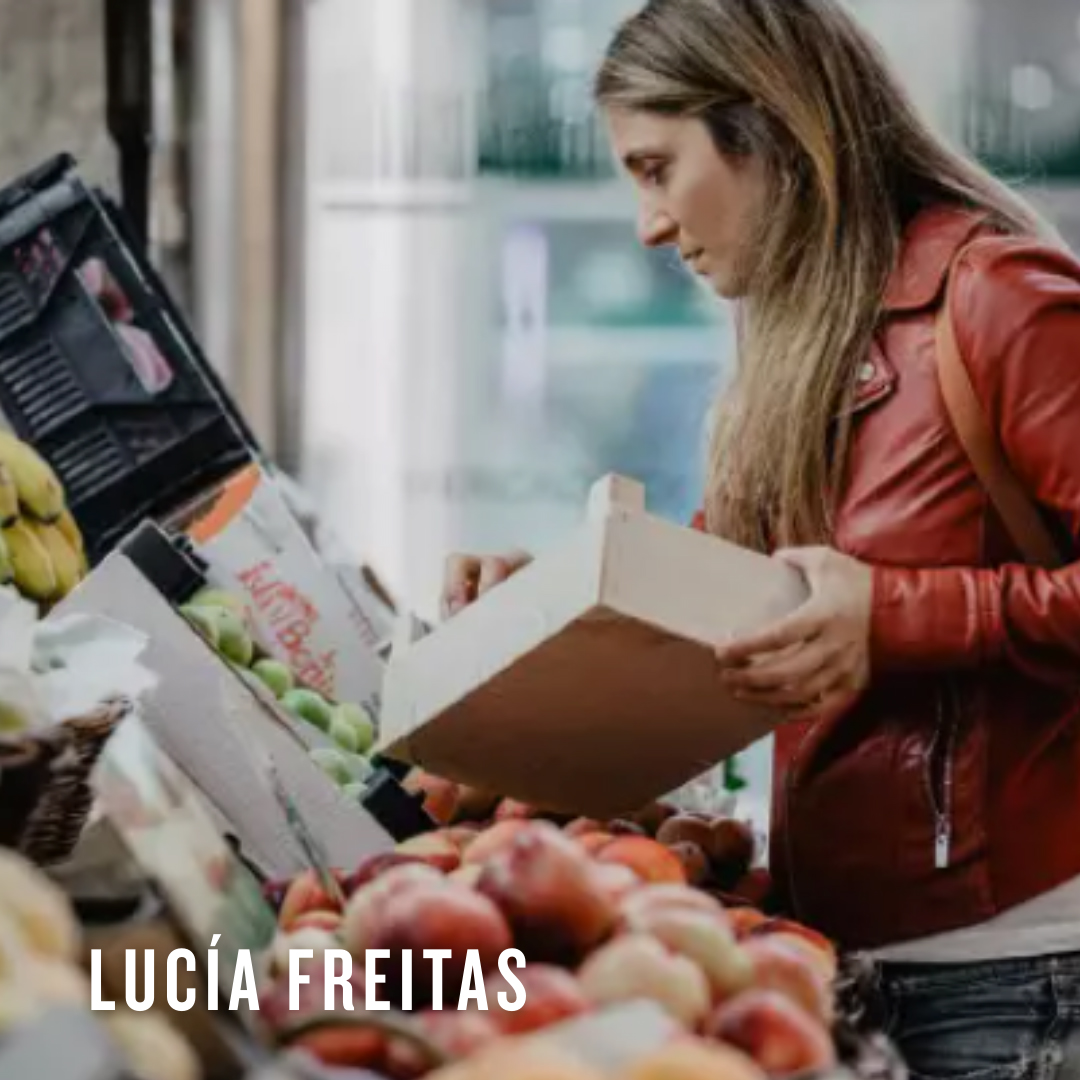
Lucía Freitas
Her restaurant A Tafona is the part of the story you can eat. The part underneath it — Amas da Terra, the network she built to make visible the Galician women farmers, fisherwomen, mariscadoras, and artisans whose labor feeds the country but whose names never appear on a menu — is the part that matters more. She changed that. Their names are on hers.
Galicia, 1851–1921
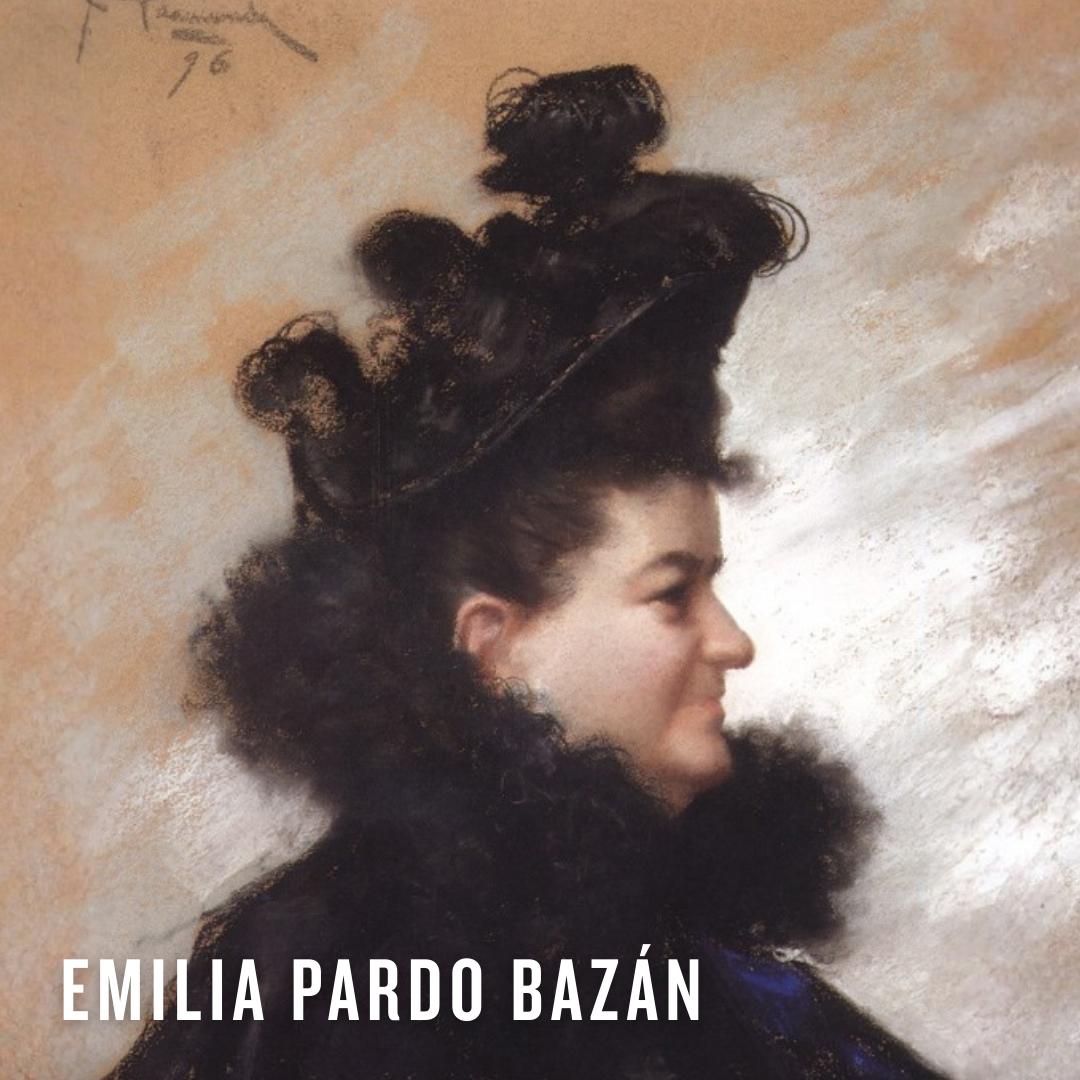
Emilia Pardo Bazán
Novelist, playwright, professor, and one of the most prominent feminists of 19th-century Spain, Emilia wrote two cookbooks — La Cocina Española Antigua and La Cocina Española Moderna — as a political act. She understood that cookbooks were a space where she could document and define Spanish cuisine for future generations, and say things about women’s place in society in a room she knew few men were reading. She was right about all of it.
Andalucía, 1892–1934
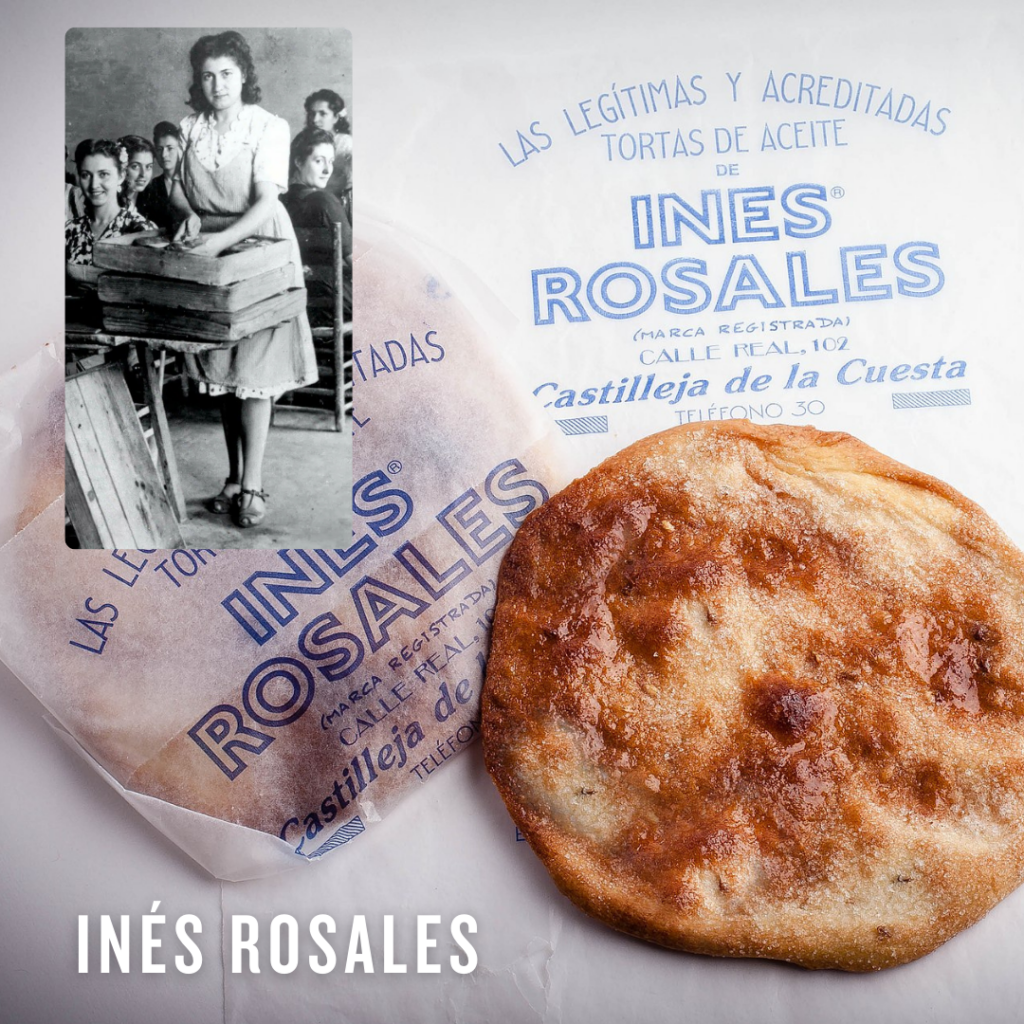
Inés Rosales
In 1910, from her home kitchen in Castilleja de la Cuesta, she made sweet, flaky olive oil cakes and sold them from wicker baskets at the train station. She built Spain’s first pastry brand from scratch, before anyone had a word for what she was doing. She died at 42. Her name still lives on every wrapper, more than a century later.
Madrid / Valladolid
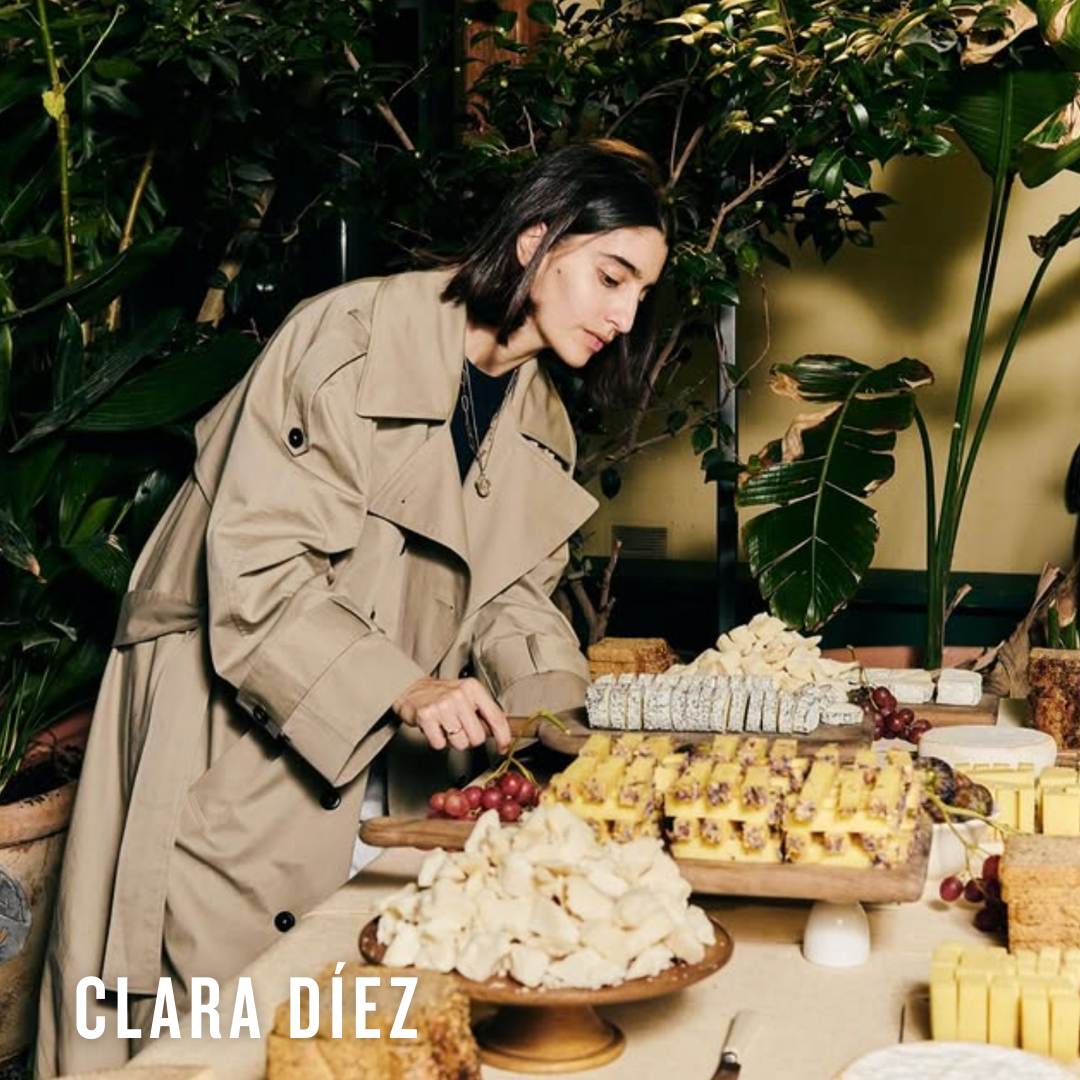
Clara Díez
At 22 she started driving through rural Spain to find artisan cheese producers no one else was paying attention to. At 27 she opened Formaje in Madrid, and became, as she puts it, a “cheese activist” — someone who understood that if she didn’t make people care about these producers, they would disappear. Her book Leche, Fermento y Vida reads like a manifesto about what Spain tastes like when you actually look for it.
Andalucía
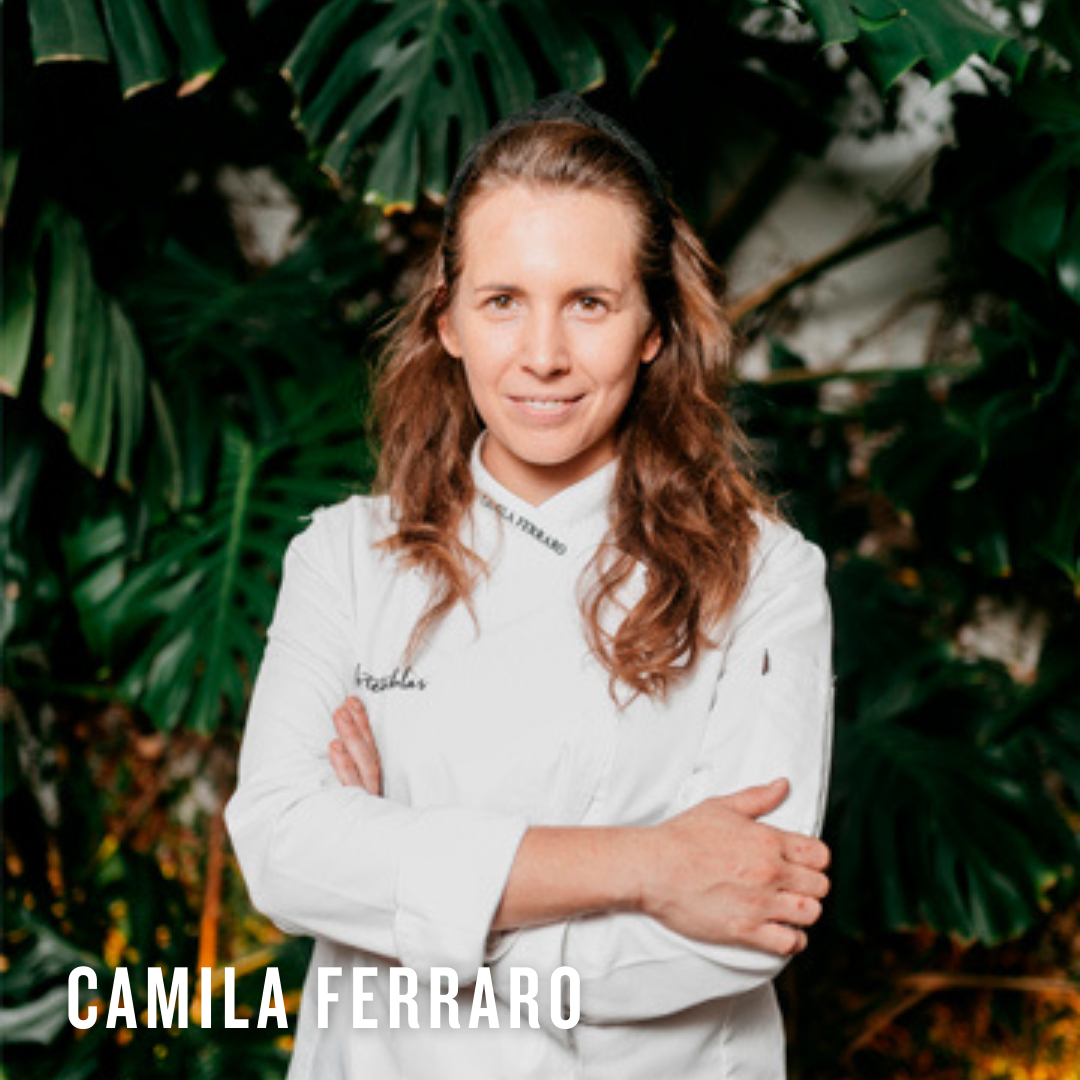
Camila Ferraro
She trained at El Celler de Can Roca, which is the kind of credential that could take you anywhere. She went home to Sevilla instead, opened Sobretablas in a 1929 Expo building in the barrio del Porvenir, and in 2020 became the first woman ever to win Spain’s Cocinero Revelación award. She cooks slow braises and local vegetables and makes Andalucía taste exactly like itself.
Mallorca
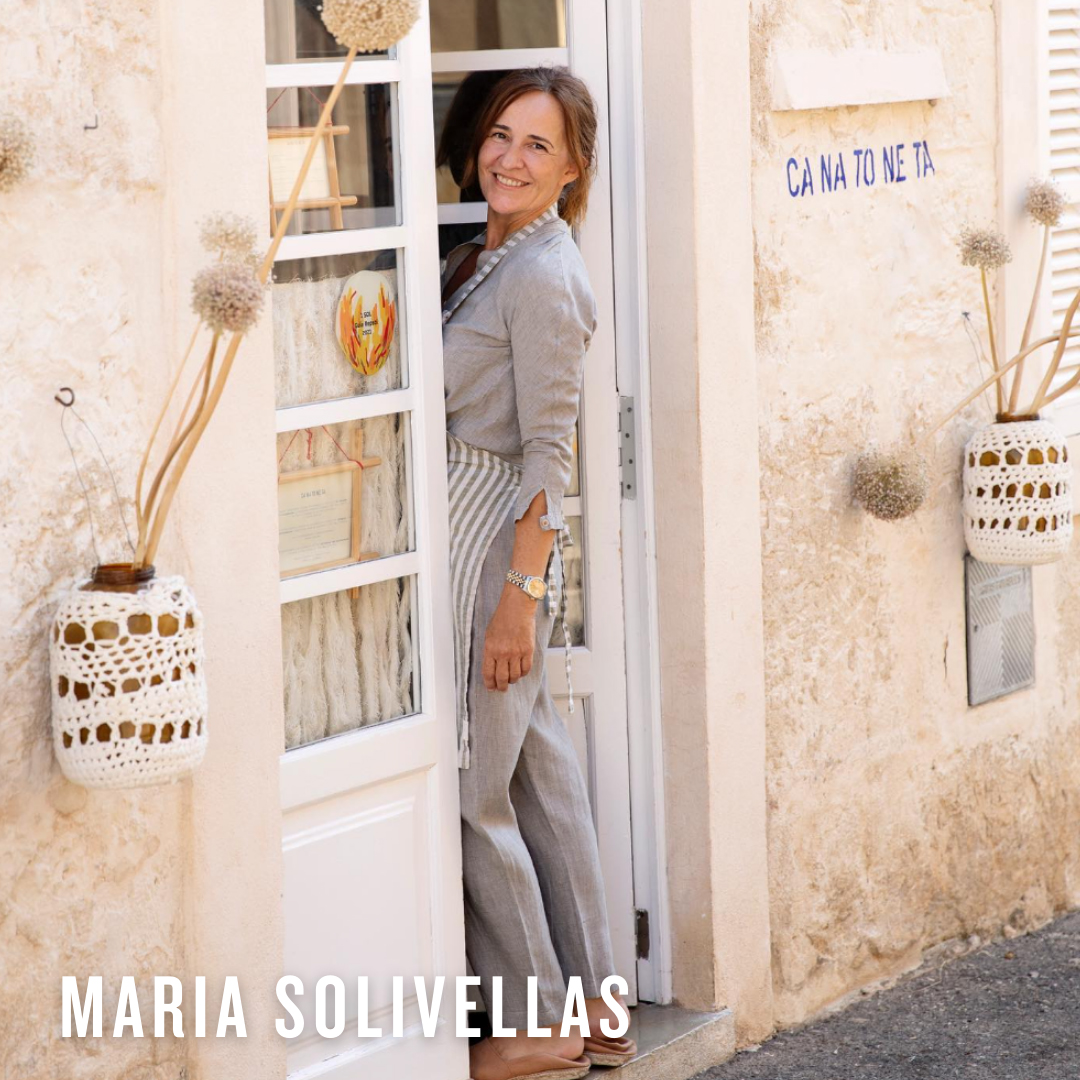
María Solivellas
At Ca na Toneta in the Tramuntana mountains, María cooks food that is radical in its restraint — hyper-local Mallorcan ingredients, a kitchen she describes as feminist, a conviction that what grows on these islands is worth the world’s attention. She’s been right for twenty years. The world is catching up.
Catalonia, 1919–2008
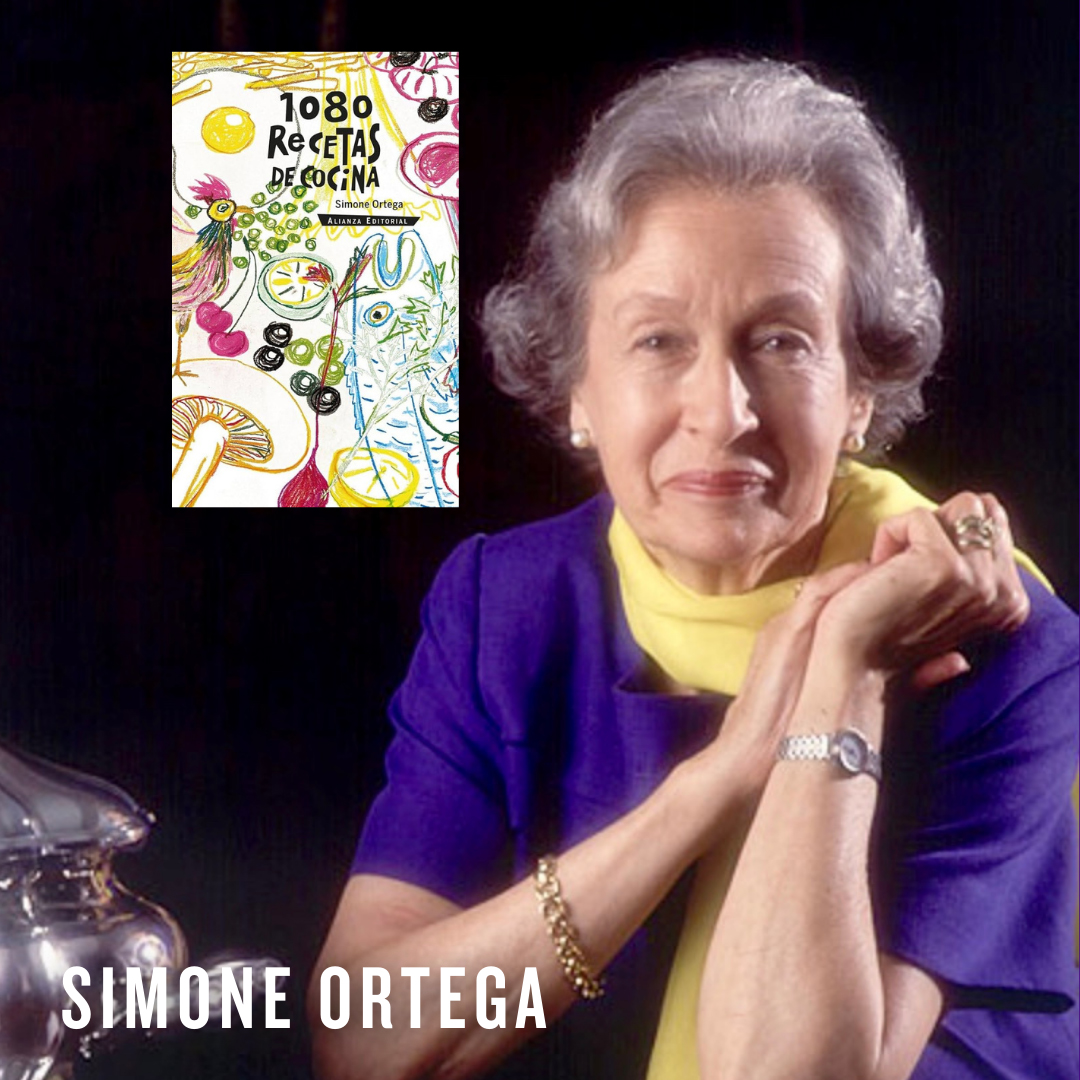
Simone Ortega
Her 1080 Recetas de Cocina, published in 1972, sold over three million copies and taught three generations of Spaniards how to cook. Ferran Adrià said it plainly: “Without her book, the entire boom of Spanish cuisine would not have existed.” She wrote it for home cooks, in plain language, without pretension. That turned out to be exactly what Spain needed.