

SoHo has always been a neighborhood defined by expression. Art spills out of galleries, fashion sets the tone on the streets, and dining is rarely just about eating—it’s part of the experience. People come to SoHo to explore, discover, and stay a little longer than planned. That mindset is exactly why Spanish tapas feel so at home here.
At Boqueria SoHo, Spanish tapas aren’t treated as a trend or a checklist of small plates. They’re a way of dining that mirrors SoHo itself: creative, flexible, and social. Tapas allow guests to curate their own experience, move at their own pace, and share moments rather than just meals.
When people search for Spanish tapas SoHo, they’re usually not looking for a formal dinner or a rigid menu structure. They want variety. They want atmosphere. They want a place where dining feels expressive rather than prescribed. That’s the experience we work to create every day.
Key Takeaways
-
Spanish tapas reflect SoHo’s creative, exploratory dining culture
-
Small plates allow guests to curate their own experience
-
Tapas encourage lingering, conversation, and discovery
-
Boqueria offers a tapas experience that feels intentional, not trendy
Why SoHo Naturally Connects With Spanish Tapas Culture
SoHo’s identity has always been rooted in exploration. From art and design to shopping and nightlife, the neighborhood invites people to move freely and follow their curiosity. Dining here works the same way. Guests rarely want to commit to a single note—they want to sample, discover, and decide as they go.
Spanish tapas align naturally with this mindset. Instead of ordering one entrée and sticking with it, guests can try multiple flavors, textures, and dishes. The meal unfolds organically, much like a walk through SoHo itself.
There’s also a shared emphasis on experience. In Spanish dining culture, meals are meant to be social and expressive. Conversation, movement, and energy are part of the table. In a neighborhood where creativity thrives, that approach feels intuitive rather than forced.
Spanish Tapas as a Form of Culinary Exploration
Tapas invite curiosity. Rather than committing to one dish, guests are encouraged to taste broadly and share freely. This approach mirrors how people explore art, fashion, and culture in SoHo—by sampling, reacting, and discovering what resonates.
In tapas dining, no single plate defines the experience. Instead, the meal is shaped by the combination of dishes and the way they’re shared. One table might lean lighter and exploratory, while another builds toward something more substantial. Both are valid, and neither feels incomplete.
This sense of exploration removes pressure. Guests don’t need to “get it right” on the first order. They can adjust, add, and evolve the meal as they go. That freedom is central to why tapas feel so satisfying.
From Gallery Visits to Dinner Plans: How Tapas Fit SoHo Days
SoHo days rarely follow a strict schedule. People arrive after gallery visits, shopping trips, or long walks through the neighborhood. Dining plans often come together spontaneously rather than being carefully planned in advance.
Tapas work beautifully in this context. Guests can stop in for a few plates and a drink or turn the visit into a full dinner without changing locations. The menu adapts to the moment rather than dictating it.
This flexibility makes tapas ideal for SoHo’s transitional energy. The meal can be quick or unhurried, light or indulgent, social or intimate—depending entirely on how the day unfolds.
The Role of Sharing in SoHo Dining Culture
Sharing is at the heart of both Spanish tapas and SoHo dining. Meals here are often social, whether it’s friends meeting after work, couples on dates, or groups gathering before a night out.
Shared plates shift the focus from individual choices to collective experience. Everyone tastes the same dishes, reacts together, and participates equally. That shared rhythm encourages conversation and connection.
In a neighborhood that values creativity and expression, this communal approach feels natural. Dining becomes something people do together, not just alongside one another.
Table 1: How Guests Experience Spanish Tapas in SoHo
| Dining Mood | Tapas Approach | Why It Works |
|---|---|---|
| Casual stop-in | Few shared plates | Light & flexible |
| Social dinner | Progressive ordering | Exploratory |
| Celebration | Tapas + shared dishes | Expressive & festive |
Spanish Tapas Without the Rules or Pressure
One of the biggest misconceptions about tapas is that they come with rules—how many plates to order, what order they should arrive in, or how the meal should end. In reality, tapas are designed to be intuitive.
There’s no “correct” way to dine on tapas. Some tables order everything at once. Others add plates gradually. Some stop after a few dishes. Others build toward a longer meal. All of these approaches are valid.
This lack of pressure is part of what makes tapas so appealing in SoHo. Guests can focus on enjoying the moment rather than managing the meal. The experience adapts to them, not the other way around.
Drinks, Tapas, and the SoHo Evening Flow
In Spanish dining culture, drinks and food are meant to move together. Neither takes center stage; instead, they complement one another throughout the meal. This philosophy fits perfectly with SoHo’s evening rhythm.
Tapas encourage guests to linger. Drinks arrive alongside food, supporting conversation rather than replacing it. There’s no rush to finish one before moving on to the other.
For SoHo nights that unfold organically—dinner turning into drinks, or drinks leading into dinner—this balance is essential. Tapas provide structure without rigidity.
Table 2: How Tapas Shape the Pace of a SoHo Evening
| Dining Style | Guest Experience |
|---|---|
| Fixed courses | Restrictive |
| Shared tapas | Fluid |
| Tapas + drinks together | Social & relaxed |
Why Spanish Tapas Feel Right for SoHo Nights Out
SoHo nights rarely follow a straight line. Plans change, groups grow or shrink, and the best moments are often unplanned. Spanish tapas support this spontaneity.
Because tapas are shareable and flexible, they work whether guests are settling in for the night or stopping by before heading elsewhere. There’s no pressure to commit to a full, formal dinner.
This adaptability makes tapas ideal for SoHo’s nightlife culture. The meal becomes part of the night rather than a checkpoint between destinations.
Groups, Dates, and Everything in Between
Tapas work for almost any dining dynamic. On dates, shared plates remove pressure and encourage conversation. In groups, tapas simplify ordering and ensure everyone feels included.
Instead of navigating multiple entrées and preferences, the table collaborates. Plates are chosen together, shared freely, and enjoyed collectively. This creates a sense of ease that’s especially valuable in a social neighborhood like SoHo.
Whether it’s two people or ten, tapas scale naturally without changing the tone of the experience.
Table 3: Why Spanish Tapas Work So Well in SoHo
| SoHo Dining Need | Tapas Solution |
|---|---|
| Variety | Multiple shared plates |
| Creativity | Exploratory dining |
| Social energy | Built-in interaction |
Designing a Tapas Experience That Feels at Home in SoHo
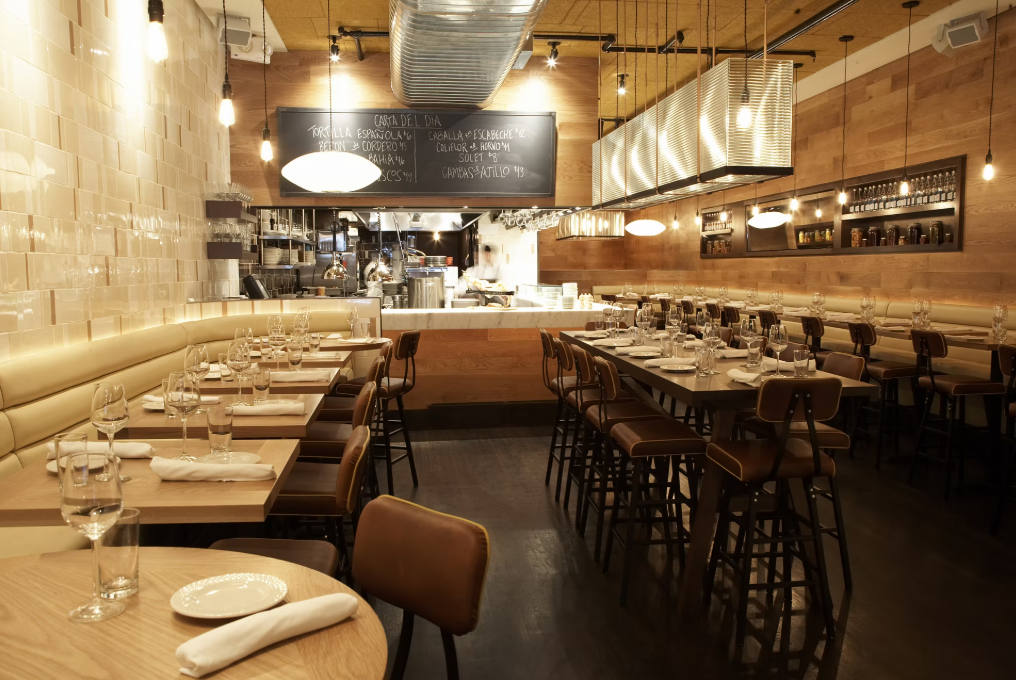
Tapas don’t exist in isolation. Environment plays a major role in how they’re experienced. The energy of the room, the layout of the tables, and the flow of service all influence how guests dine.
At Boqueria SoHo, the space is designed to support sharing and conversation. Seating encourages interaction without crowding. Sound and lighting create warmth without distraction.
The goal is to create an atmosphere where guests feel comfortable staying longer, ordering another plate, and enjoying the experience without watching the clock.
Choosing a Spanish Tapas Restaurant in SoHo
Choosing where to eat in SoHo isn’t just about menus or reviews—it’s about how a place makes you feel. Guests return to restaurants that fit their rhythm and adapt to their plans.
For a tapas restaurant, that means consistency, flexibility, and comfort. Guests want to know they can arrive without a plan and still have a great experience.
When a restaurant delivers that reliably, it becomes part of the neighborhood’s routine rather than a one-time destination.
Conclusion: Spanish Tapas in SoHo Are About Expression, Not Structure
Spanish tapas in SoHo should feel expressive, social, and unforced. At Boqueria, we focus on creating a dining experience that mirrors the neighborhood itself—creative, flexible, and welcoming.
Tapas allow guests to shape their own meal, explore flavors, and share moments without pressure. In a neighborhood built on discovery, that approach feels right.
When people search for Spanish tapas SoHo, they’re looking for more than small plates. They’re looking for a way to dine that feels natural, social, and worth lingering over. That’s exactly what we aim to offer.
FAQs
Are Spanish tapas enough for a full meal in SoHo?
Yes. When ordered progressively, tapas create a complete and satisfying meal.
Do you need to order everything at once?
No. Ordering gradually is part of the tapas experience.
Is tapas dining good for dates and groups?
Absolutely. Shared plates encourage conversation and connection.
Can tapas fit spontaneous SoHo plans?
Yes. Tapas adapt easily to unplanned or flexible evenings.
Why is sharing such a big part of tapas culture?
Sharing encourages exploration, connection, and a more social dining experience.