

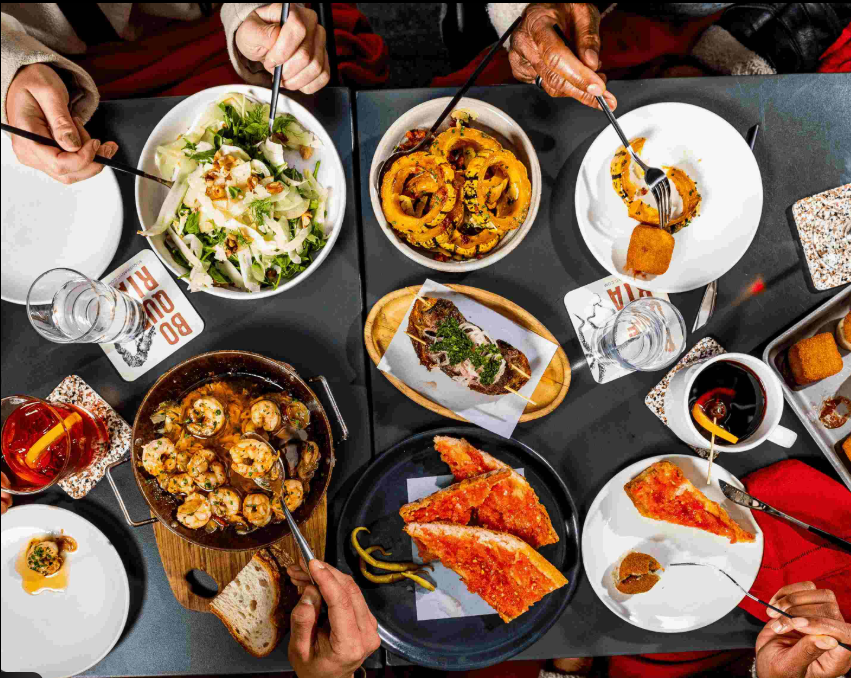
The Upper East Side is a neighborhood built on rhythm. Weeknights matter here just as much as weekends. People return to the same places, sit at familiar tables, and choose restaurants they trust to deliver consistently—without needing a special reason. When diners search for a tapas restaurant in the Upper East Side, they’re often looking for something that fits naturally into their routine: flexible, comfortable, and reliable, but never boring.
At Boqueria Upper East Side, our approach to Spanish tapas is designed with repeat dining in mind. The menu encourages sharing without pressure, variety without excess, and meals that can be as light or as complete as the evening requires. Tapas work especially well on the UES because they don’t demand a specific kind of night—they adapt to the one you’re already having.
This is what makes tapas dining on the Upper East Side different. It’s not about spectacle or trend-chasing. It’s about creating an experience people want to return to, again and again.
Key Takeaways
-
Upper East Side dining is built around routine and trust
-
Tapas fit naturally into weeknight and repeat dining habits
-
A balanced menu allows guests to dine lightly or build a full meal
-
Paella and shared plates turn tapas into dinner without formality
-
Boqueria focuses on consistency, comfort, and variety
Why the Upper East Side Values Familiar, Reliable Dining
The Upper East Side has always favored restaurants that feel dependable. While trends come and go elsewhere, UES diners tend to gravitate toward places that earn loyalty over time. They want to know what they’re getting—and that it will be good every time.
This mindset shapes how people dine here. Meals aren’t always about celebration or novelty; they’re often about comfort, conversation, and ease. A tapas restaurant on the UES needs to fit seamlessly into that lifestyle, offering flexibility without unpredictability.
Consistency doesn’t mean repetition. It means a menu and experience that guests can rely on, whether they’re visiting for the first time or the fiftieth. That reliability is what turns a restaurant into a neighborhood staple.
What Makes a Tapas Restaurant Feel Approachable on the UES
Approachability is essential on the Upper East Side. Diners want menus that feel inviting rather than intimidating, especially on weeknights when decisions should feel easy.
Tapas naturally remove pressure. Instead of committing to a single large dish, guests can start with a few plates and see where the evening goes. There’s no “right” way to order, which makes the experience feel relaxed rather than instructional.
At Boqueria UES, the menu is designed to guide without overwhelming. Clear sections, familiar ingredients, and shareable portions make tapas dining feel intuitive—even for guests new to Spanish cuisine. That ease is what keeps people coming back.
Small Plates That Work for Weeknights, Not Just Weekends
On the Upper East Side, weeknight dining is just as important as weekend plans. Many guests are looking for meals that feel complete without feeling heavy or time-consuming.
Tapas are ideal for this. A few well-chosen plates can create a satisfying dinner, while still allowing guests to keep things light if they choose. There’s no need for a long commitment or a fixed structure.
This flexibility makes tapas especially appealing during the week. Guests can dine well without turning the evening into an event—unless they want to.
Table 1: How Tapas Fit Different UES Dining Occasions
| Dining Moment | Tapas Approach | Why It Works |
|---|---|---|
| Casual weeknight | 2–3 shared plates | Light and efficient |
| Relaxed dinner | Mix of hot & cold tapas | Balanced and satisfying |
| Weekend gathering | Tapas + paella | Social and complete |
Tapas meet diners where they are, which is exactly what UES dining demands.
Balancing Comfort and Variety on One Table
Repeat dining requires variety. Even the most beloved restaurant can feel stale if the menu doesn’t offer room for exploration.
Tapas solve this by allowing guests to mix familiar favorites with something new. One visit might focus on comforting, familiar dishes. Another might lean into seasonal or lighter plates. The experience changes without losing its core identity.
On the Upper East Side, where many guests return regularly, this balance is essential. Tapas prevent menu fatigue by offering endless combinations, making each visit feel fresh without straying too far from what people love.
Vegetable, Seafood, and Meat Tapas for Different Appetites
One of the strengths of tapas dining is its ability to serve different preferences at the same table. On the UES, this matters more than ever—groups often include diners with varied tastes and dietary priorities.
Vegetable-forward tapas add lightness and balance. Seafood dishes bring brightness and refinement. Meat-based tapas offer richness and comfort. Together, they create a table that feels complete without being excessive.
This variety allows everyone to participate equally. No one feels limited, and no one feels overcommitted. Tapas create harmony across different appetites.
Table 2: Building a Balanced Tapas Table on the UES
| Tapas Category | Role in the Meal |
|---|---|
| Vegetable tapas | Refresh and balance |
| Seafood tapas | Add brightness and contrast |
| Meat tapas | Provide comfort and depth |
A balanced table keeps the meal enjoyable from start to finish.
Paella as a Shared Option Without Overcommitting
Paella is often associated with special occasions, but on the Upper East Side it also serves a more practical purpose. It turns tapas into dinner without requiring formality or planning.
Shared paella allows the table to settle into the meal. It provides clarity—yes, this is dinner—without replacing the tapas experience. Guests can still enjoy variety, but with a clear centerpiece anchoring the table.
For UES diners, paella often appears when the evening slows down and conversation deepens. It’s not rushed, and it’s never individual. It reinforces the communal nature of Spanish dining in a way that feels natural, not ceremonial.
Drinks That Fit Into Early Nights and Long Conversations
Upper East Side dining often starts earlier than in other neighborhoods, and many guests value conversation just as much as food. Drinks should support that rhythm, not overpower it.
Spanish dining culture treats drinks as companions to food, not the main event. Sangria, wine, and cocktails are enjoyed gradually, alongside shared plates rather than before or after them.
At Boqueria UES, drinks are designed to enhance the meal’s pacing. Whether the evening ends early or stretches longer than expected, the balance stays intact. The focus remains on connection, not consumption.
A Dining Room That Feels Comfortable, Not Performative
Atmosphere plays a critical role in whether a restaurant becomes part of someone’s routine. On the Upper East Side, diners gravitate toward spaces that feel welcoming rather than theatrical.
A tapas restaurant needs room for sharing, passing plates, and relaxed conversation. It should feel lively, but never overwhelming. Comfortable enough for repeat visits, but polished enough to feel special.
At Boqueria UES, the dining room is designed to support exactly that. The space encourages lingering without pressure, making it a place guests return to for both casual dinners and longer evenings.
Table 3: What UES Diners Look for in a Tapas Restaurant
| Priority | Why It Matters |
|---|---|
| Comfort | Encourages repeat visits |
| Consistency | Builds trust |
| Flexibility | Fits weeknight routines |
The space completes the experience, reinforcing why tapas work so well here.
Conclusion: Why Boqueria Is a Go-To Tapas Restaurant on the Upper East Side
A great tapas restaurant on the Upper East Side isn’t defined by novelty—it’s defined by reliability, balance, and comfort. At Boqueria UES, we focus on creating a Spanish dining experience that fits naturally into everyday life.
Our menu allows guests to dine lightly or build a full meal, return often without repetition, and enjoy shared plates that encourage connection. Tapas, paella, and drinks move together in a way that feels intuitive and unforced.
That consistency is why guests return. Not for a one-time experience, but for a place that feels like part of the neighborhood—every night of the week.
FAQs
Is a tapas restaurant good for casual weeknight dinners?
Yes. Tapas are ideal for lighter, flexible meals that still feel complete.
Can tapas feel filling without ordering too much?
Absolutely. A balanced mix of plates creates a satisfying dinner.
Does paella work for smaller groups?
Yes. Paella is designed to be shared and fits naturally into tapas dining.
Is tapas dining approachable for first-time guests?
Very much so. Tapas allow guests to explore without pressure.