
SoHo is not a neighborhood where the word “best” is used casually. It is one of New York City’s most design-conscious, dining-aware, and expectation-driven areas. When someone searches for best tapas SoHo, they are not browsing randomly. They are comparing standards. They are evaluating execution, sourcing, service, atmosphere, and consistency — all at once.
In a neighborhood saturated with restaurants, “best” does not belong to the loudest concept or the newest opening. It belongs to the restaurant that demonstrates discipline. Tapas, in particular, require structure. Small plates must balance temperature, texture, and flavor progression. Without cohesion, tapas can feel scattered rather than refined.
At Boqueria SoHo, our approach to Spanish tapas is rooted in standards rather than hype. Authenticity, ingredient integrity, technique, and repeatable execution determine quality. In SoHo, that level of discipline is not optional — it is expected.
Key Takeaways
-
“Best tapas” is defined by ingredient quality, execution, and structure — not volume or trend appeal.
-
Menu architecture and progression matter as much as individual dishes.
-
Anchor dishes like paella signal culinary commitment and identity.
-
Atmosphere and service reinforce the perception of excellence.
-
Consistency across visits ultimately determines whether a restaurant earns the title “best.”
What “Best” Actually Means in a Neighborhood Like SoHo
SoHo diners are accustomed to choice. They compare restaurants not only on cuisine, but on atmosphere, precision, and cultural credibility. In this context, “best” is comparative. It implies that a restaurant stands above others in measurable ways.
The word “best” also implies repeat validation. A single exceptional meal does not secure long-term recognition. Restaurants that maintain quality on busy nights, across seasons, and through evolving dining trends earn credibility gradually.
In SoHo, the best tapas restaurant must align menu depth, ambiance, and service seamlessly. A beautiful dining room without disciplined food execution does not qualify. Nor does strong technique without consistency. “Best” requires alignment across all categories.
Ingredient Integrity as the Foundation of Great Tapas
Spanish cuisine depends on ingredient quality. Olive oil, seafood, produce, cured meats, and cheeses must meet high standards. Tapas are not heavily masked by sauces; they rely on clarity and authenticity.
In SoHo, diners are discerning enough to recognize when ingredients are substituted or compromised. Authentic sourcing — whether imported Spanish products or carefully selected domestic equivalents — builds trust.
Table 1: Ingredient Quality and Its Impact on Tapas
| Ingredient Category | Why It Matters |
|---|---|
| Olive oil | Defines flavor baseline |
| Seafood | Determines freshness and brightness |
| Cured meats | Reflect authenticity and tradition |
| Seasonal produce | Ensures balance and texture |
When ingredients are treated with respect, the structure of tapas remains intact. Integrity at this level is foundational to excellence.
Precision in Preparation and Technique
Ingredient quality alone does not secure the title of “best.” Execution determines whether those ingredients achieve their potential. Tapas require control over temperature, timing, and texture.
Croquetas must be crisp outside and creamy inside. Seafood must be tender without being overcooked. Grilled dishes require balance between char and moisture. Each preparation reflects technical discipline.
Precision also influences pacing. Properly executed tapas arrive in cohesive stages, maintaining rhythm throughout the meal. In SoHo, where expectations are high, technique separates strong restaurants from truly exceptional ones.
Menu Architecture: Depth Without Excess
A defining trait of the best tapas restaurants is thoughtful menu architecture. Depth refers to range across vegetables, seafood, meats, and shared dishes. Excess refers to clutter — too many similar plates without structure.
Balanced menus guide guests intuitively. Clear categories encourage progression from lighter dishes to richer ones. Without this structure, tapas ordering becomes chaotic.
Table 2: Structured Tapas Menu vs. Overloaded Menu
| Feature | Structured Menu | Overloaded Menu |
|---|---|---|
| Category clarity | Organized progression | Unclear sequencing |
| Balance | Even distribution | Heavy repetition |
| Guest guidance | Intuitive ordering | Overwhelming choices |
| Identity | Cohesive theme | Disconnected items |
Menu discipline demonstrates confidence. Restaurants that curate rather than overextend signal authority and experience.
The Role of Anchor Dishes in Defining “Best”
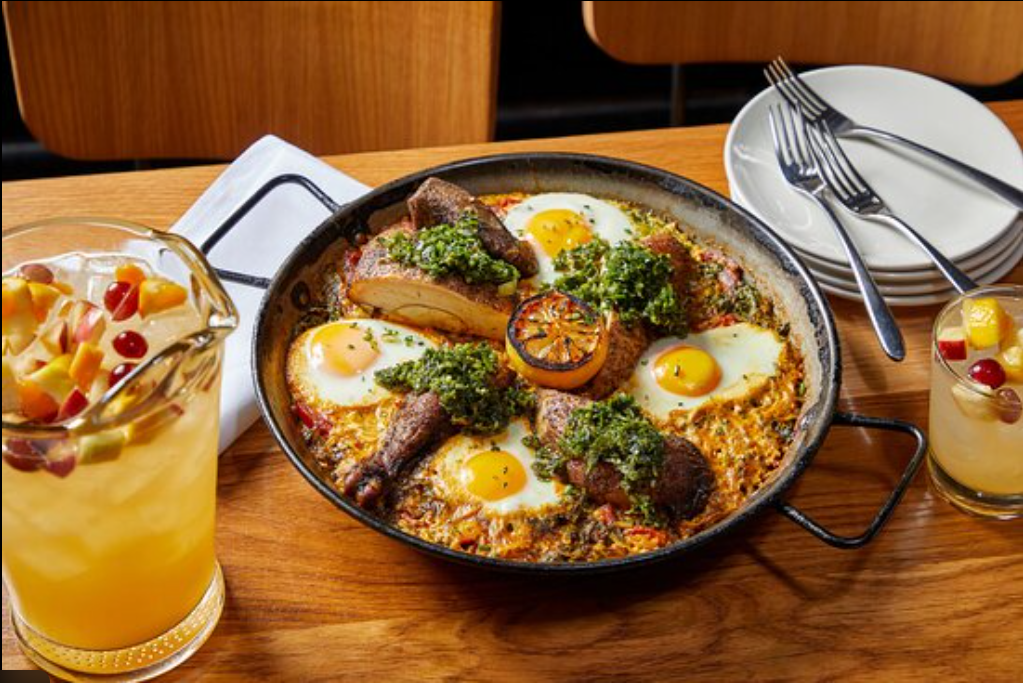
Anchor dishes provide identity. In Spanish tapas restaurants, paella often functions as the anchor. It represents culinary heritage and shared dining tradition.
A restaurant that executes paella properly demonstrates seriousness. It requires attention to timing, rice texture, and flavor layering. Poor execution is immediately noticeable.
Other signature tapas can also anchor identity. These dishes become benchmarks by which guests measure the rest of the menu. When anchor dishes consistently meet expectations, the restaurant earns long-term credibility.
Atmosphere That Elevates, Not Distracts
SoHo demands polish. Dining rooms must feel refined without becoming theatrical. Energy is welcome, but chaos undermines perception of excellence.
Atmosphere influences how diners perceive food quality. Balanced lighting, comfortable spacing, and controlled sound levels reinforce the sense that the experience is intentional.
Consider what atmosphere contributes to a “best” designation:
-
Encourages conversation without excessive noise
-
Supports shared plates with adequate space
-
Maintains consistent ambiance across evenings
-
Reflects confidence rather than trend-driven design
When environment aligns with cuisine, the overall experience feels cohesive.
Service as a Marker of Excellence
Service in a tapas restaurant must balance attentiveness and subtlety. Staff should guide ordering without overwhelming guests. Progressive pacing requires awareness of table dynamics.
Knowledgeable servers enhance credibility. They explain dishes accurately and recommend combinations confidently. In SoHo, diners notice competence immediately.
Service also influences perception of timing. Dishes arriving in appropriate intervals reinforce structure. Poor pacing can disrupt even the strongest menus. Excellence requires coordination between kitchen and floor.
Consistency Across Visits
Ultimately, “best” is not declared after one meal. It is confirmed over time. Consistency across visits validates the restaurant’s standards.
Busy nights test execution. A restaurant that maintains quality under pressure earns respect. Consistency in ingredient sourcing, preparation, and service builds trust.
Table 3: Factors That Sustain “Best” Status
| Factor | Long-Term Impact |
|---|---|
| Ingredient consistency | Maintains flavor integrity |
| Technical execution | Preserves dish quality |
| Service reliability | Reinforces guest confidence |
| Menu stability | Builds recognizable identity |
Repeat validation strengthens reputation. In SoHo, where competition is constant, consistency separates fleeting popularity from sustained excellence.
Conclusion: Why the Best Tapas in SoHo Come From Structure, Not Hype
The title of “best tapas SoHo” cannot be claimed through marketing alone. It must be earned through ingredient integrity, technical precision, disciplined menu architecture, anchor dishes, refined atmosphere, and consistent service.
At Boqueria SoHo, our approach reflects these standards. We emphasize sourcing, preparation, pacing, and environment equally. Spanish tapas require structure, and structure requires discipline.
In a neighborhood where diners compare constantly, excellence emerges not from novelty, but from reliability. The best tapas in SoHo come from restaurants that respect tradition, execute precisely, and maintain standards night after night. Structure — not hype — defines the difference.
FAQs
What makes tapas authentic?
Authenticity stems from traditional ingredients, preparation methods, and structured menu progression rooted in Spanish cuisine.
Is paella necessary at a tapas restaurant?
While not mandatory, paella often signals seriousness and culinary depth in Spanish dining.
How many tapas should we order?
Start with a few lighter plates, then build gradually toward richer dishes and shared centerpieces.
What makes a restaurant the “best” in SoHo?
Consistency, ingredient quality, technical precision, service, and cohesive atmosphere collectively determine excellence.