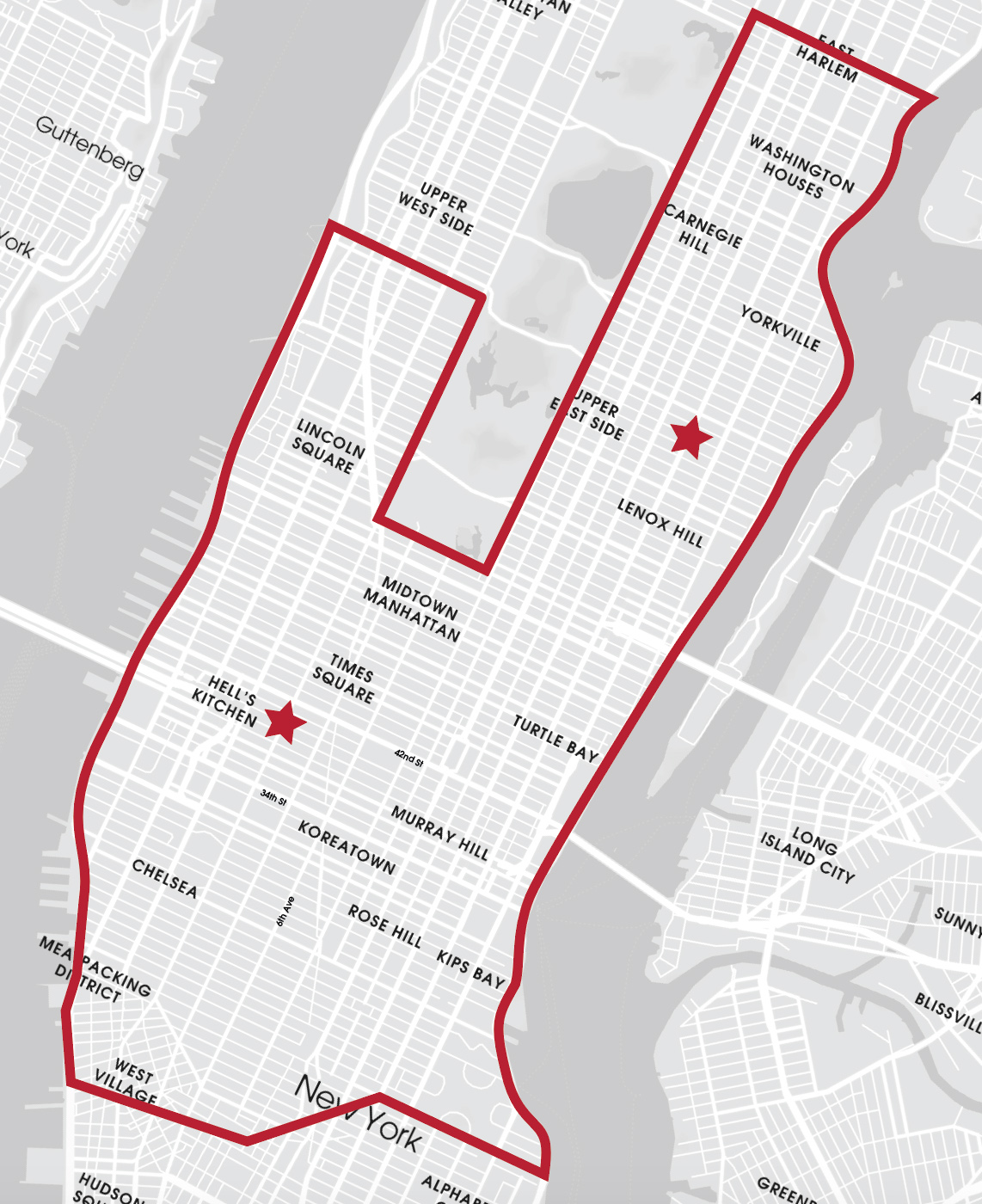


Times Square is defined by motion. Screens flash, crowds move in waves, Broadway theaters fill and empty within minutes, and restaurants operate at a pace few neighborhoods experience. When someone searches for best tapas Times Square, they are navigating more than menu options. They are navigating intensity. In a district built on spectacle and scale, finding authentic, structured dining can feel unexpectedly difficult.
The word “best” carries particular weight here. It does not simply mean popular or convenient. It means consistent under pressure. It means quality maintained despite high volume. It means a restaurant that preserves culinary discipline even when foot traffic is constant. In Times Square, the best tapas must demonstrate composure.
At Boqueria Times Square, our approach to Spanish dining centers on that composure. Tapas are not chaotic small plates. They are structured, balanced, and layered intentionally. In a neighborhood defined by noise and motion, our goal is to create controlled energy — a dining experience that feels deliberate rather than incidental.
Key Takeaways
-
The best tapas in Times Square balance high energy with controlled structure.
-
Menu clarity and disciplined pacing matter more in busy districts.
-
Anchor dishes like paella signal authenticity and commitment.
-
Ingredient integrity must hold steady even during peak volume.
-
Repeat validation — not foot traffic — defines true excellence.
Why “Best” Is Harder to Earn in Times Square
Times Square operates differently from most dining neighborhoods. Restaurants experience constant demand from visitors, theatergoers, and large groups. Volume alone, however, does not equal quality. In fact, maintaining excellence in such conditions is more challenging.
High-traffic districts can encourage shortcuts. Menus may become simplified to accommodate speed. Service may prioritize turnover over pacing. In this environment, restaurants that preserve structure stand apart.
Earning the word “best” in Times Square requires maintaining culinary standards despite intensity. Guests recognize when a restaurant remains composed and intentional rather than reactive. That composure builds trust in a setting where many establishments focus primarily on convenience.
Controlled Energy vs. Dining Chaos
Energy is unavoidable in Times Square. The question is whether a restaurant channels it effectively or allows it to overwhelm the dining experience. Tapas require space, conversation, and interaction. Chaos undermines that structure.
Controlled energy means balancing liveliness with comfort. Music levels, table spacing, and lighting must support shared plates rather than distract from them. Guests should feel engaged, not rushed.
A well-designed tapas restaurant absorbs external intensity while maintaining internal stability. The contrast between outside motion and inside composure enhances the experience. Diners appreciate that shift, especially before or after theater performances.
Menu Structure as Stability
In a district where options are abundant, clarity becomes valuable. A well-organized tapas menu provides stability. Clear categories guide guests naturally from lighter vegetable dishes to seafood, meats, and shared centerpieces.
Overcrowded menus can feel overwhelming in already busy environments. Structure simplifies decisions without limiting choice. Guests should feel confident combining dishes without confusion.
Table 1: Structured Tapas Menu vs. Volume-Driven Menu
| Feature | Structured Tapas | Volume-Driven Menu |
|---|---|---|
| Organization | Clear progression | Random assortment |
| Balance | Even distribution of categories | Heavy repetition |
| Guest experience | Guided and intuitive | Overwhelming |
| Identity | Cohesive Spanish focus | Convenience-focused |
Menu structure reinforces stability. In Times Square, that stability becomes a competitive advantage.
Pacing Matters More in High-Volume Locations
Pacing defines tapas dining. Plates should arrive in thoughtful intervals that maintain rhythm without crowding the table. In high-volume districts, this coordination becomes more complex — and more important.
Progressive ordering allows guests to adjust naturally. Starting with lighter plates and building gradually ensures that the meal remains cohesive. Rapid delivery of all dishes at once can disrupt progression.
Effective pacing requires communication between kitchen and service staff. In Times Square, where turnover pressures exist, preserving this rhythm signals commitment to authenticity rather than expediency.
Anchor Dishes That Signal Seriousness
Anchor dishes establish credibility. In Spanish tapas restaurants, paella often fulfills this role. Its preparation demands attention to rice texture, layering, and timing. Poor execution is easily detected.
Signature tapas also reinforce identity. These dishes become benchmarks by which guests evaluate the rest of the menu. Consistency in these plates builds long-term trust.
Table 2: Anchor Dishes and Their Role in Excellence
| Anchor Dish | Why It Matters |
|---|---|
| Paella | Shared centerpiece and authenticity marker |
| Signature seafood tapa | Highlights freshness and technique |
| Classic croquetas | Demonstrates texture control |
| Grilled specialty | Reflects precision in preparation |
Anchor dishes communicate seriousness. In Times Square, where dining options are numerous, that seriousness distinguishes restaurants from their surroundings.
Ingredient Integrity Under Pressure
Maintaining ingredient quality in a high-volume district requires discipline. Olive oil, seafood, produce, and cured meats must meet standards consistently, even during peak service hours.
Times Square kitchens operate under constant demand. Sourcing consistency and preparation protocols ensure that flavor integrity does not fluctuate. Without this discipline, quality declines quickly.
Key factors that protect ingredient integrity include:
-
Reliable sourcing partnerships
-
Strict preparation standards
-
Consistent quality checks
-
Staff training focused on technique
These safeguards reinforce excellence, particularly when demand intensifies.
Service That Grounds the Experience
Service in Times Square must project calm confidence. Guests may arrive from crowded sidewalks or busy theaters. Hospitality should ground the experience rather than amplify external energy.
Knowledgeable servers guide ordering efficiently while preserving pacing. They anticipate timing constraints without rushing the meal unnecessarily. That balance defines professional composure.
Table 3: Service Traits That Elevate Tapas Dining
| Trait | Impact on Guest Experience |
|---|---|
| Calm demeanor | Reduces external stress |
| Menu knowledge | Builds trust |
| Pacing awareness | Preserves structure |
| Clear communication | Enhances efficiency |
When service aligns with culinary structure, the overall experience feels intentional and balanced.
Why Repeat Validation Defines the “Best” in Times Square
Foot traffic may introduce new guests nightly, but repeat visits determine reputation. Restaurants that attract locals and returning diners demonstrate authenticity beyond convenience.
Consistency across visits validates standards. Guests should feel confident recommending the restaurant based on sustained performance rather than one strong impression.
In Times Square, surviving long-term requires more than visibility. It requires reliability. Tapas that remain balanced, service that remains composed, and atmosphere that remains controlled transform first-time visitors into loyal patrons.
Conclusion: The Best Tapas in Times Square Feel Intentional — Not Incidental
Times Square is built on spectacle, but great tapas are built on structure. The best tapas in this district do not rely on proximity or popularity alone. They rely on composure, discipline, and balance.
At Boqueria Times Square, our focus remains on preserving Spanish dining principles within a high-energy environment. Menu clarity, anchor dishes like paella, ingredient integrity, refined pacing, and composed service create a cohesive experience.
The contrast between outside intensity and inside stability defines distinction. In a district known for motion, the best tapas feel intentional — never incidental. Structure transforms chaos into cohesion, and cohesion earns the word “best.”
FAQs
Is it possible to find authentic tapas in Times Square?
Yes. Authentic tapas require structure, balance, and consistent execution, regardless of location.
Is tapas good before Broadway shows?
Absolutely. Tapas allow flexible pacing and shared dining before theater performances.
How many dishes should we order?
Begin with lighter plates and build gradually toward richer and shared dishes.
What makes a restaurant truly “best” in Times Square?
Consistency, ingredient integrity, controlled atmosphere, and disciplined execution determine excellence.