
Fifth & Broadway is one of Nashville’s most visible, high-energy districts. Music spills into the streets, crowds move between venues, and dining often becomes part of a larger evening plan. In this kind of environment, standards are tested constantly. When someone searches for best tapas Fifth & Broadway, they are not simply looking for small plates. They are looking for execution — for a restaurant that performs consistently under pressure.
Performance districts demand precision. Visibility is high, expectations are elevated, and pace can shift quickly. Tapas dining, when executed properly, thrives in this context because it is built on rhythm. Plates arrive in stages. Flavors build gradually. The meal unfolds intentionally rather than all at once. Without structure, that rhythm collapses.
At Boqueria Fifth & Broadway, our approach to Spanish dining centers on that rhythm. We focus on timing, balance, and control rather than spectacle. In a neighborhood shaped by live performance, the best tapas are those delivered with discipline and confidence — never flash alone.
Key Takeaways
-
The best tapas at Fifth & Broadway depend on timing and structured progression.
-
Execution matters more in high-visibility, performance-driven districts.
-
Menu composition should feel balanced and cohesive, not crowded.
-
Paella and anchor dishes signal culinary seriousness.
-
Consistency across busy nights ultimately defines “best.”
Why Execution Matters More in Performance Districts
Dining in performance districts is public. Restaurants are not hidden destinations; they are visible parts of a larger experience. That visibility increases expectations. Guests arrive from concerts, events, and nightlife with energy already heightened.
In this context, mistakes are amplified. Poor timing, inconsistent dishes, or chaotic service become noticeable immediately. The best tapas restaurants distinguish themselves by maintaining composure even when the district outside is at full intensity.
Execution under spotlight requires discipline. Kitchens must coordinate seamlessly. Service must remain attentive but calm. The dining room must absorb energy rather than reflect disorder. In Fifth & Broadway, excellence depends on maintaining that control consistently.
Culinary Rhythm: How Tapas Should Flow
Tapas are not random small plates. They are structured components of a meal that progresses naturally. The rhythm begins with lighter dishes — vegetables or chilled preparations — and builds toward warmer, richer plates.
This progression creates depth without heaviness. Each dish prepares the palate for the next, allowing flavors to unfold gradually. In a performance-driven district, that rhythm provides grounding.
Table 1: Ideal Tapas Progression
| Stage | Purpose |
|---|---|
| Cold & fresh plates | Awaken the palate |
| Warm vegetable dishes | Add texture and contrast |
| Seafood & meats | Build richness |
| Paella or shared dish | Anchor and complete |
When progression is respected, the meal feels intentional. Guests remain engaged without feeling rushed or overwhelmed.
Precision in Timing and Delivery
Timing defines tapas dining as much as flavor. Plates should arrive in measured intervals, preserving space on the table and maintaining anticipation. Delivering everything simultaneously disrupts rhythm.
In high-volume districts like Fifth & Broadway, preserving timing requires coordination between kitchen and floor teams. Each table’s pace may differ depending on whether guests are pre-show or settling in for the evening.
Precision ensures that the meal remains cohesive. Tapas should feel like movements within a composition rather than unrelated notes. Controlled delivery signals professionalism and reinforces the dining structure.
Menu Composition as Structured Arrangement
Menu design influences rhythm before the first plate arrives. Categories should be clearly defined: vegetables, seafood, meats, and shared dishes. Structure guides guests naturally through the experience.
An overextended menu can create confusion. Repetition across categories diminishes clarity. Balanced menus reflect confidence and discipline.
Table 2: Balanced Menu vs. Overcrowded Menu
| Feature | Balanced Composition | Overcrowded Composition |
|---|---|---|
| Category clarity | Clear progression | Unclear organization |
| Ingredient repetition | Minimal | Frequent overlap |
| Guest confidence | Guided ordering | Overwhelmed choices |
| Identity | Cohesive | Fragmented |
Menu discipline supports rhythm. Without it, even well-prepared dishes can feel disconnected.
Paella as the Headliner — Without Overpowering the Set
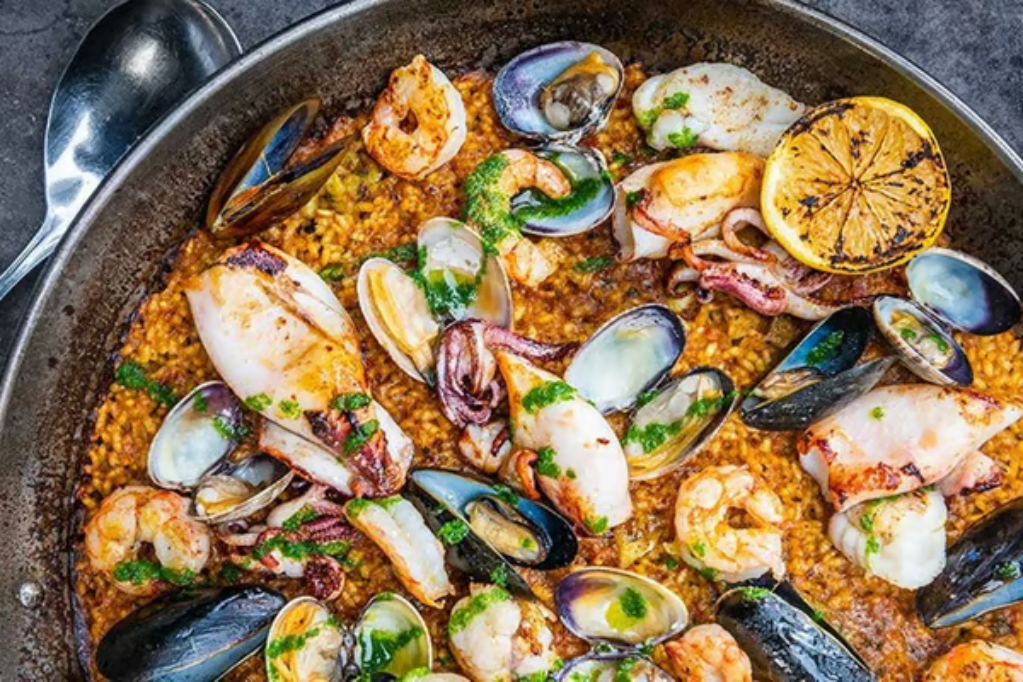
In performance districts, headliners draw attention. In Spanish dining, paella often plays that role. It anchors the table and marks the culmination of progression.
However, paella should not overshadow earlier dishes. Its strength lies in balance — well-textured rice, evenly distributed ingredients, and harmonious seasoning. It completes rather than dominates.
Consider the characteristics of refined paella:
-
Properly developed rice texture
-
Balanced distribution of proteins
-
Cohesion with preceding tapas
-
Shared presentation that feels natural
Executed correctly, paella becomes the centerpiece of rhythm rather than a spectacle.
Drinks That Support the Performance
Beverages in tapas dining should complement the meal’s flow. Spanish wines and sangria integrate seamlessly into progression. They refresh without overwhelming flavors.
In entertainment districts, beverage programs can sometimes overshadow cuisine. The best tapas restaurants ensure that drinks enhance rather than distract from the food.
Table 3: Beverage Integration in Tapas Dining
| Beverage Type | Role in Experience |
|---|---|
| Spanish whites | Enhance seafood & freshness |
| Rioja & reds | Complement richer dishes |
| Sangria | Social connector |
| Balanced cocktails | Support, not dominate |
When beverages align with the rhythm of the meal, cohesion remains intact.
Atmosphere That Feels Alive but Controlled
Energy is inevitable at Fifth & Broadway. The dining room should feel lively, but never chaotic. Lighting, acoustics, and layout all influence perception.
Tables must accommodate shared plates comfortably. Guests should feel engaged in conversation despite external activity. Atmosphere that absorbs intensity rather than amplifies it defines composure.
Controlled liveliness reflects confidence. It signals that the restaurant is participating in the district’s energy while preserving its own standards.
Why Repeat Applause Defines the Best
In performance districts, applause is immediate but fleeting. True recognition comes from repeat attendance. The same principle applies to tapas restaurants.
Guests may visit initially because of location. They return because of consistency. Maintaining ingredient integrity, timing precision, and menu discipline across busy evenings builds credibility.
Repeat validation matters more than initial excitement. The best tapas at Fifth & Broadway are those that sustain quality long after the first visit.
Conclusion: The Best Tapas at Fifth & Broadway Are Delivered with Structure, Not Flash
Performance districts reward visibility, but culinary excellence rewards discipline. The best tapas at Fifth & Broadway are not those that chase attention. They are those that execute consistently, preserve rhythm, and maintain composure under spotlight.
At Boqueria Fifth & Broadway, we approach Spanish dining with precision and balance. Our menu progression, timing coordination, and refined atmosphere create cohesion within a high-energy setting.
Structure transforms intensity into harmony. In a neighborhood defined by performance, the best tapas are delivered with rhythm — confident, composed, and consistent.
FAQs
Is tapas good before a show?
Yes. The structured progression allows flexibility in timing while maintaining a complete dining experience.
How many tapas should we order?
Start with lighter plates and build gradually toward richer dishes and shared centerpieces.
What makes tapas authentic?
Authenticity comes from ingredient integrity, traditional techniques, and balanced menu structure.
What defines “best” in a busy entertainment district?
Consistency, timing precision, disciplined menu composition, and composed service determine excellence.