
Fifth & Broadway is one of Nashville’s most active entertainment corridors. Music venues, events, shopping, and nightlife converge into one steady flow of movement. Because of that energy, many diners assume that restaurants in this district are transitional — places to stop briefly before the “real” night begins. When someone searches for a tapas restaurant at Fifth & Broadway, they often expect convenience first and quality second.
That assumption misses what Spanish dining is meant to be. Tapas are not filler plates before a show. They are structured, layered, and intentionally paced dishes designed to build a complete experience. A true tapas restaurant is not simply close to entertainment — it becomes part of the reason to go out in the first place.
At Boqueria Fifth & Broadway, we approach tapas as a destination, not a detour. Spanish dining culture emphasizes progression, balance, and shared connection. In a high-traffic district like Fifth & Broadway, exceeding expectations means proving that dining here can be thoughtful, complete, and worth choosing intentionally.
Key Takeaways
-
A tapas restaurant at Fifth & Broadway should be intentional, not just convenient.
-
Small plates in Spanish dining are layered to create fullness and depth.
-
Authentic structure and menu balance elevate destination dining.
-
Atmosphere, pacing, and service determine whether guests return.
-
Exceeding expectations builds long-term trust in entertainment districts.
Expectation #1: “It’s Just Pre-Show Dining”
Many diners assume that restaurants near venues serve primarily as pre-show stops. The logic is simple: proximity means speed. Meals are expected to be efficient, light, and secondary to the main event. This perception can limit how seriously people take dining choices in entertainment districts.
Tapas culture challenges that assumption directly. Spanish dining is not rushed by default. It is built around conversation and pacing, even when time is limited. Shared plates can arrive quickly without sacrificing intention, allowing guests to enjoy a complete meal within flexible timeframes.
At Fifth & Broadway, the right tapas restaurant does not compete with nearby events — it complements them. Guests can dine before a show without feeling hurried, because the format supports adaptability. Instead of being a brief pause, the meal becomes a meaningful part of the evening’s rhythm.
Expectation #2: “Small Plates Mean Small Impact”
Another misconception surrounding tapas is that smaller plates equate to lighter meals. Diners unfamiliar with Spanish dining may believe tapas are only snacks rather than substantial dishes. In reality, tapas are layered strategically to create fullness over time.
Spanish tapas are not about size; they are about sequencing. Cold plates open the palate. Warm dishes add depth. Vegetable preparations balance richness. Seafood introduces brightness. Larger shareables complete the table. This structure builds impact gradually.
Table 1: Perception vs. Reality of Tapas Dining
| Expectation | Reality |
|---|---|
| Small plates equal light meals | Layered plates create full dinners |
| Tapas are appetizers only | Tapas are structured dining progression |
| Shared plates lack depth | Variety creates complexity |
In a destination like Fifth & Broadway, where energy is high, tapas provide depth without heaviness. The impact is cumulative, not immediate — and that is what defines their strength.
Expectation #3: “It Will Feel Tourist-Focused”
Entertainment districts often attract visitors, and that visibility can create skepticism among locals. Some diners worry that restaurants prioritize convenience over authenticity. For tapas restaurants, authenticity is especially important because Spanish cuisine carries strong cultural roots.
Authentic tapas dining reflects regional traditions, ingredient balance, and thoughtful preparation. It does not rely solely on visual appeal or trend-driven presentation. Authenticity is visible in menu structure, anchor dishes, and beverage integration.
At Fifth & Broadway, exceeding tourist-focused expectations means demonstrating seriousness. A tapas restaurant earns credibility through consistency, cultural respect, and culinary clarity. Authenticity builds confidence, regardless of whether guests are visiting or local.
What a Tapas Restaurant Here Should Actually Deliver
If expectations are often limited to convenience, what should a tapas restaurant at Fifth & Broadway actually provide? It should offer balance across categories, from vegetables and seafood to meats and larger shared dishes. That balance ensures that the table never feels repetitive or incomplete.
Progressive pacing is equally important. Tapas should arrive in stages that support conversation rather than overwhelm it. The rhythm of the meal shapes the overall experience, especially in a district where outside distractions are constant.
Table 2: Core Elements of a Strong Tapas Restaurant
| Element | Why It Matters |
|---|---|
| Balanced menu | Prevents monotony |
| Anchor dishes | Create identity |
| Progressive pacing | Maintains flow |
| Cohesive service | Reinforces trust |
These elements elevate a tapas restaurant from transitional to intentional. They demonstrate that the experience is designed, not accidental.
Shared Dining as the Anchor of the Experience
Tapas are inherently communal. Sharing plates removes hierarchy at the table and creates interaction. In a district like Fifth & Broadway, where groups often gather before or after events, this communal structure becomes even more valuable.
Shared dining also simplifies logistics. Instead of coordinating individual entrées, guests collaborate on selections. This builds cohesion and reduces friction, especially in larger groups.
Consider the strengths of shared tapas dining:
-
Encourages conversation through collective tasting
-
Simplifies ordering for mixed group preferences
-
Allows flexibility in portion control
-
Builds connection without formal structure
These characteristics make tapas especially effective in entertainment-driven neighborhoods, where group dynamics are fluid and diverse.
Drinks That Complement — Not Compete
In high-energy areas, beverage programs often dominate. A tapas restaurant must ensure that drinks enhance the food experience rather than overshadow it. Spanish dining culture integrates wine and cocktails into the meal itself.
Spanish wines pair naturally with tapas progression, evolving alongside dishes rather than leading the pace. Sangria adds brightness without overpowering flavors. Cocktails should be balanced, not theatrical.
Table 3: Beverage Integration in Tapas Dining
| Beverage Style | Dining Impact |
|---|---|
| Spanish wine | Supports progression |
| Sangria | Adds balance and approachability |
| Thoughtful cocktails | Complement without distraction |
| Overemphasized bar focus | Shifts attention from food |
When beverages align with the food rather than compete, the overall experience feels cohesive. That cohesion distinguishes serious tapas restaurants from nightlife-driven venues.
Atmosphere That Feels Lively Without Chaos
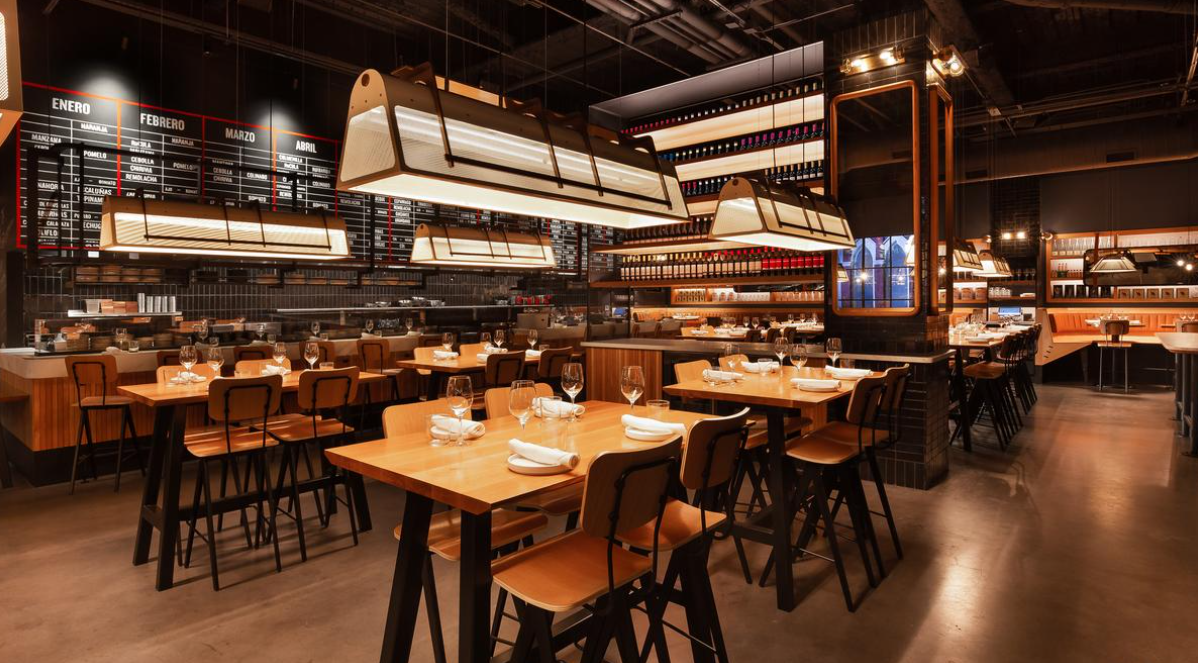
Entertainment districts naturally generate noise and motion. A tapas restaurant must harness that energy without allowing it to become overwhelming. Atmosphere influences how long guests stay and how deeply they engage.
Lighting, layout, and sound levels collectively shape comfort. Tables must accommodate multiple plates without crowding. Guests should feel free to linger, even when the district outside remains active.
A lively yet controlled environment supports repeat visits. Diners remember how they felt as much as what they ate. Balanced atmosphere reinforces the idea that the restaurant is a destination in its own right.
Why Exceeding Expectations Builds Repeat Visits
First impressions matter, but repeat visits sustain restaurants. In Fifth & Broadway, exceeding limited expectations transforms occasional visitors into loyal guests. When diners discover that a tapas restaurant offers depth beyond convenience, trust develops.
Consistency reinforces that trust. Delivering balanced menus, thoughtful pacing, and cohesive service every time ensures that guests feel confident recommending the restaurant to others.
Repeatability also reflects discipline. Trend-focused concepts may generate initial buzz, but structured dining rooted in tradition maintains relevance. Exceeding expectations becomes not a one-time achievement, but an ongoing commitment.
Conclusion: A Tapas Restaurant at Fifth & Broadway Should Be the Reason You Go — Not the Backup Plan
Entertainment districts often frame dining as secondary, but a great tapas restaurant redefines that narrative. Spanish dining is structured, intentional, and layered — qualities that elevate the entire evening rather than simply supporting it.
At Boqueria Fifth & Broadway, we approach tapas with authenticity and progression. Balanced menus, anchor dishes like paella, integrated beverage programs, and controlled atmosphere work together to create cohesion. The experience is not rushed or performative — it is grounded and social.
When people search for a tapas restaurant at Fifth & Broadway, they deserve more than proximity. They deserve intention. Exceeding expectations turns convenience into choice, and choice into loyalty. A tapas restaurant here should not be an afterthought — it should be part of why you go out in the first place.
FAQs
Is tapas enough for a full dinner before a show?
Yes. When layered progressively, tapas create a complete and satisfying meal.
How many dishes should we order?
Start with lighter plates and build gradually based on appetite and group size.
Does tapas work for larger groups?
Absolutely. Shared plates simplify ordering and encourage interaction.
Is paella meant to be shared?
Yes. Paella is traditionally served as a communal centerpiece dish.