

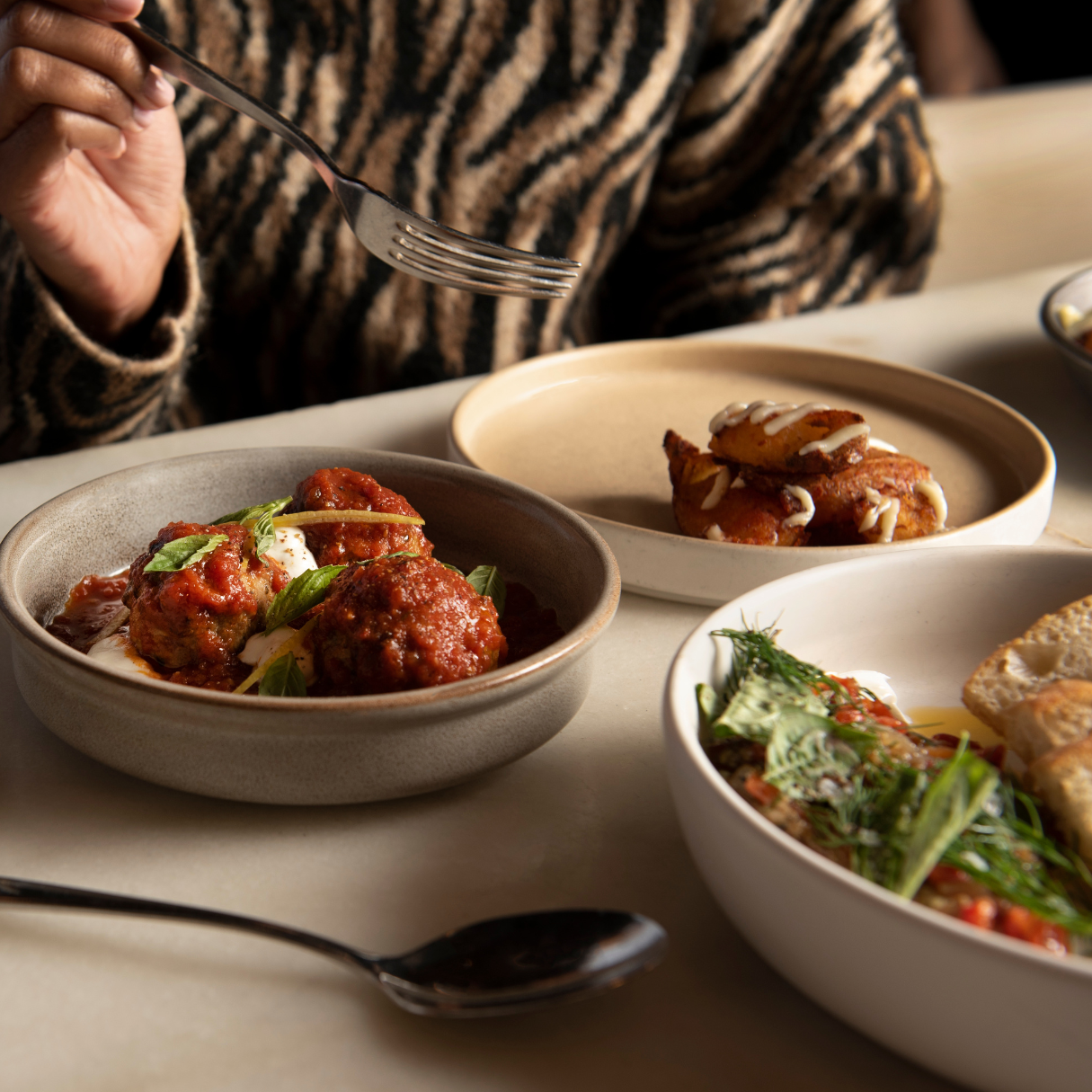
Seaport is not just another dining district in Boston. It is defined by light, water, openness, and movement. The waterfront changes how people gather, how long they stay, and what they crave. When someone searches for a tapas restaurant in Seaport, they are not simply looking for small plates. They are looking for an experience that feels aligned with the setting—social, relaxed, and balanced.
Waterfront dining carries different expectations than inland neighborhoods. Guests anticipate airiness instead of heaviness, flexibility instead of formality, and menus that complement long conversations rather than rush them. A tapas restaurant in Seaport must understand that rhythm and respond intentionally.
At Boqueria Seaport, we approach Spanish tapas with that environment in mind. Spanish cuisine has deep coastal roots, and tapas culture is inherently communal. In Seaport, those elements naturally come together. The result is dining that feels open, shareable, and structured without being rigid—perfectly suited to its waterfront surroundings.
Key Takeaways
-
Waterfront dining changes expectations around pacing and menu balance.
-
Tapas naturally complement scenic, social environments like Seaport.
-
Seafood-forward dishes enhance coastal dining without overwhelming it.
-
Shared plates support gatherings common in waterfront districts.
-
Consistency and authenticity matter in high-traffic, destination neighborhoods.
How Waterfront Dining Changes the Way We Eat
Waterfront settings influence how long people stay at a table. In Seaport, views and atmosphere encourage guests to linger. Unlike business-focused districts where meals may feel compressed, waterfront dining supports slower pacing and extended conversations.
Tapas align naturally with this rhythm. Because dishes arrive in stages, the meal unfolds gradually rather than all at once. Guests can order incrementally, allowing the experience to stretch comfortably across the evening without feeling overcommitted at the start.
This pacing creates cohesion between environment and menu. A tapas restaurant in Seaport should never feel hurried or rushed. Instead, it should feel adaptable—allowing diners to enjoy both the waterfront setting and the food in equal measure.
A Tapas Menu That Feels Lighter Without Feeling Limited
Waterfront dining often calls for lighter menus. Heavy, overly dense dishes can feel out of sync with open-air environments. At the same time, diners still expect depth and satisfaction. A well-structured tapas menu balances these needs effectively.
Vegetable-forward plates, seafood dishes, and thoughtfully portioned meats create that balance. The goal is not minimalism, but harmony. Rich flavors are welcome, but they must coexist with freshness and contrast.
Table 1: Menu Balance in Waterfront Tapas Dining
| Element | Purpose in Seaport Dining |
|---|---|
| Vegetable tapas | Add freshness and lightness |
| Seafood dishes | Reflect coastal influence |
| Balanced meat plates | Provide comfort without heaviness |
| Shared larger dishes | Create completeness |
This structure ensures that the meal feels appropriate to the setting without sacrificing substance.
The Role of Seafood in a Seaport Tapas Restaurant
Seafood carries special significance in coastal environments. Spanish cuisine, particularly from coastal regions, emphasizes seafood as a central element rather than an afterthought. In Seaport, this alignment feels natural and intuitive.
Seafood tapas introduce brightness and texture. They bridge lighter vegetable dishes and richer meat plates, creating contrast across the table. Their presence reinforces authenticity and geographic harmony.
In waterfront districts, diners often gravitate toward seafood instinctively. A tapas restaurant that integrates seafood thoughtfully into its structure reinforces both cultural roots and environmental context.
Shared Plates That Match Social, Scenic Settings
Seaport attracts diverse groups—friends gathering at sunset, families meeting for dinner, and colleagues unwinding after work. Shared plates simplify these dynamics by encouraging participation and interaction.
Tapas eliminate rigid ordering structures. Instead of individual entrées, guests collaborate on selections. This shared approach enhances the social quality of waterfront dining, aligning with the open atmosphere of the district.
Consider why shared tapas resonate particularly well in Seaport:
-
Encourage longer conversations without meal interruptions
-
Accommodate mixed dietary preferences easily
-
Allow flexibility in pacing and portion size
-
Reinforce communal dining culture
These characteristics make tapas uniquely suited to waterfront gatherings.
Paella as a Natural Waterfront Centerpiece
Paella embodies Spanish coastal tradition. Historically associated with communal dining, it aligns seamlessly with waterfront settings. Its presentation alone signals that the meal has reached a collective moment.
In Seaport, paella serves as both anchor and celebration. After a sequence of lighter tapas, paella brings fullness and shared focus to the table. It transitions the meal from exploratory tasting to complete dining.
Table 2: Why Paella Works in Waterfront Dining
| Attribute | Impact on Experience |
|---|---|
| Shared format | Reinforces community |
| Visual presentation | Enhances scenic setting |
| Balanced composition | Completes layered meal |
| Coastal heritage | Aligns with waterfront |
Paella’s structure complements the environment rather than competing with it, making it a natural centerpiece.
Drinks That Reflect the Setting
Waterfront dining encourages refreshment. Beverage programs should reflect this expectation without overshadowing the meal. Spanish whites, sangria, and balanced cocktails integrate smoothly into tapas progression.
Drinks should enhance freshness and encourage steady pacing. Overly heavy or theatrical beverage programs can distract from the dining experience. Balance is key.
A curated beverage approach supports cohesion. Spanish wines complement seafood and vegetable dishes particularly well, reinforcing authenticity and enhancing the overall structure of the meal.
Space, Light, and Layout in Waterfront Dining
Natural light and open layouts shape the Seaport dining experience. Restaurants must accommodate scenic appeal without sacrificing comfort. Tapas require sufficient table space for shared plates and fluid interaction.
Lighting influences mood. In waterfront settings, brightness transitions naturally into evening ambiance. A tapas restaurant should adapt accordingly, maintaining warmth and visibility without overwhelming guests.
Table 3: Environmental Elements in Waterfront Tapas Restaurants
| Design Element | Why It Matters |
|---|---|
| Open layout | Supports sharing and movement |
| Balanced lighting | Enhances mood and comfort |
| Spacious tables | Accommodate multiple plates |
| Controlled energy | Prevents chaos |
Thoughtful design ensures that the environment supports the food rather than competing with it.
Why Seaport Dining Requires Consistency, Not Trend
Seaport attracts both visitors and locals. While novelty may attract first-time guests, repeat visits depend on reliability. A tapas restaurant must deliver consistent quality and structure across occasions.
Consistency reinforces trust. Guests should feel confident that the menu balance, pacing, and service will remain steady regardless of the evening’s crowd or season.
Key drivers of repeat visits include:
-
Reliable menu structure with balanced categories
-
Service that adapts without disrupting pacing
-
Anchor dishes that maintain quality
-
Atmosphere that remains welcoming despite traffic
Trend-driven concepts may generate attention, but consistency sustains loyalty.
Conclusion: A Tapas Restaurant in Seaport Should Feel As Open and Balanced As Its Setting
Waterfront dining carries expectations of openness, relaxation, and balance. A tapas restaurant in Seaport should reflect those qualities in both menu and environment. Spanish tapas, with their emphasis on sharing and progression, naturally align with scenic, social settings.
At Boqueria Seaport, we integrate coastal influence, structured pacing, and communal dining into every aspect of the experience. Seafood-forward balance, thoughtful beverage integration, and intentional layout create cohesion between setting and cuisine.
Dining here should feel unforced and expansive. The water, the light, and the shared plates work together. In a district defined by openness, a tapas restaurant should feel equally open—balanced, social, and complete.
FAQs
Is tapas good for waterfront dining?
Yes. Tapas align naturally with scenic environments because they support relaxed pacing and shared interaction.
What should we order near the water?
Start with lighter vegetable and seafood tapas, then add paella for completeness.
Does paella fit lighter coastal meals?
Absolutely. Paella builds fullness while maintaining balance and shareability.
Is tapas good for group gatherings in Seaport?
Yes. Shared plates simplify ordering and enhance conversation for larger tables.